
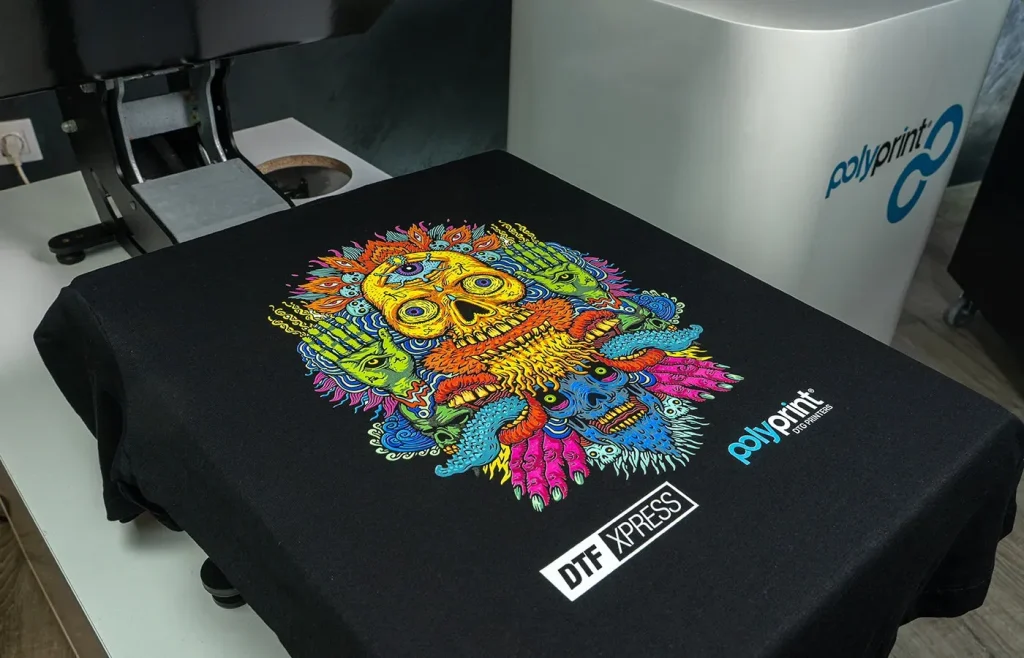
DTF printing, or Direct-to-Film printing, is revolutionizing the landscape of custom apparel printing with its innovative approach to design transfer. As businesses increasingly seek high-quality and efficient methods, this technique stands out by offering vibrant colors and exceptional detail on a variety of fabric types. Unlike traditional methods such as screen printing and sublimation, DTF printing boasts versatility that allows it to cater to diverse material needs, making it a preferred choice for many in the fashion industry. In this article, we will dive deep into the nuances of DTF printing and compare it to other popular printing methods like Direct-to-Garment (DTG) and screen printing to help you make an informed choice for your business. Understanding DTF vs other techniques is crucial in determining the optimal printing method that aligns with your unique requirements.
Known in the industry as Direct-to-Film, DTF printing is quickly becoming a go-to option for those in the custom apparel market looking for a reliable printing solution. This innovative printing method allows for superior designs that stand up against fading and wear, which is critical in a fast-paced fashion world. Within the realm of custom printing, each technique brings its own strengths — from screen printing’s efficiency for bulk orders to sublimation’s vibrant color applications on specific materials. As we explore these differing methods, it’s essential to weigh the benefits of DTF printing against these established techniques to discover which may best suit your creative and business goals. By assessing DTF and its competitors, businesses can refine their printing strategies and enhance their offerings in a competitive marketplace.
Understanding the Mechanics of DTF Printing
Direct-to-Film (DTF) printing employs a unique mechanism that separates it from other popular methods in the custom apparel world. By using specialized films and heat transfer, DTF can achieve intricate designs in vibrant colors quickly and efficiently. In the DTF process, each design is printed on a film layer that captures every detail, ensuring that the quality remains intact during the transfer onto fabric. This approach is particularly advantageous for businesses looking to produce high-quality prints on a variety of materials, including traditional cotton as well as more complex blends.
Moreover, the DTF printing technique allows for considerable flexibility in terms of color and design. Unlike screen printing, where color mixing can complicate the process, DTF printing can reproduce more detailed and multi-colored designs effortlessly. This expands the creative horizons for designers and brands, enabling them to offer customized solutions that appeal to their target audiences. As the technology evolves, the mechanics of DTF printing continue to enhance quality and efficiency, fostering greater innovation in the custom apparel sector.
Comparing DTF and Screen Printing: Pros and Cons
When evaluating DTF printing versus screen printing, several key factors come into play, notably in production volume and design detail. Screen printing is traditionally favored for large orders because it can produce striking colors rapidly, making it cost-effective for bulk production. However, this method has its limitations; it struggles with complex, multi-color designs due to the extensive setup time and individual screens needed for each color. DTF printing, on the other hand, overcomes these hurdles by allowing for efficient handling of detailed designs, making it an appealing option for small to mid-size orders.
The long-term durability of prints also varies between these two methods. While screen-printed designs tend to hold up well, they may fade or crack over time if not cared for properly. DTF prints showcase a superior longevity, with adhesive technology ensuring that designs withstand regular washing and wearing better than their screen-printed counterparts. This durability, combined with the versatility of fabric options, positions DTF printing as a robust alternative for those in the custom apparel business.
DTF vs. Sublimation: Which is Better for Your Fabrics?
Sublimation printing is a popular choice for those looking to achieve vivid colors and designs on specific materials, primarily those with high polyester content. However, one notable drawback is its limited application, as sublimation cannot be used on cotton or natural fabrics, which greatly restricts its usability for a variety of target markets. In contrast, DTF printing’s versatility allows it to be effective on nearly any fabric type, making it a higher utility option for businesses that require a diverse range of materials.
In terms of design quality, DTF printing excels in multi-color and intricate designs without losing vibrancy or detail during the transfer process. Sublimation may sometimes yield less vivid results if the substrate does not fully complement the design. This difference highlights why businesses should consider DTF printing as a more adaptable solution, especially in today’s fashion landscape, where custom fabric options are increasingly embraced. Furthermore, DTF’s ability to create lasting prints across fabric types makes it a strong competitor against sublimation in the custom apparel market.
DTF and Direct-to-Garment (DTG) Printing: A Comparative Analysis
DTG printing stands as a favored choice for small orders due to its straightforward approach of printing directly onto the garment. However, it typically requires high-resolution images and is more labor-intensive for larger runs. DTF printing, in contrast, offers faster production times and greater cost efficiency when dealing with larger quantities. For businesses focused on scaling up their output without sacrificing on quality, DTF presents a distinct advantage, allowing for quicker turnaround times and greater flexibility.
Additionally, the fabric compatibility of DTG is often restricted primarily to cotton-based materials, while DTF’s versatility means that it can accept a broader range of fabrics, including various synthetic blends. This characteristic allows businesses to expand their product line and cater to a diverse clientele seeking different fabric choices. In essence, while DTG has its merits for certain scenarios, DTF printing emerges as a noteworthy contender that can meet diverse business needs with its efficiency and adaptability.
Recent Innovations in DTF Technology
The DTF printing landscape is evolving rapidly, with technological advancements making the process more accessible and efficient for businesses. Innovations such as portable A3-sized DTF printers have made it possible for small business owners to step into the print-on-demand arena, reflecting a shift towards customization and personalized products. This democratization of technology has empowered entrepreneurs to bring their artistic visions to life without needing hefty startup costs, allowing more people to engage in custom apparel printing.
Further developments in inks and adhesive formulations are enhancing the durability and quality of DTF prints, paving the way for more complex designs that last longer under varying conditions. These advancements not only contribute to the aesthetics of the final product but also reduce costs and waste, establishing DTF printing as a sustainable printing solution for the eco-conscious brand. Such innovations indicate a growing trend where technology and creativity intersect to fuel the future of custom printing.
Embracing DTF Printing for Your Custom Apparel Business
As businesses continue to navigate the options available in custom apparel printing, embracing DTF printing can be a transformative decision. Its capability to work on a variety of fabrics, deliver vibrant designs, and provide long-lasting prints presents a competitive edge in a crowded market. This flexibility enables brands to cater to an increasingly diverse customer base, aligning production capabilities with consumer expectations for quality and customization.
Moreover, the simplicity of the DTF process allows businesses to innovate and adapt quickly to market trends. This responsiveness to consumer demands not only elevates the brand’s market presence but also fosters customer loyalty through high-quality products. Investing in DTF printing technology and processes could potentially enhance the overall operational efficiencies of your business while allowing for greater creative expression in product offerings.
Frequently Asked Questions
What is DTF printing and how does it work?
DTF printing, or Direct-to-Film printing, is a modern technique that transfers designs onto fabric using a specialized film. The process includes creating a digital design, printing it on film with high-quality inks, applying adhesive powder to the film, and using heat to transfer the design onto the fabric. This method produces vibrant colors and works on various fabric types, making it versatile for custom apparel.
How does DTF printing compare to screen printing?
DTF printing differs from screen printing in several ways. Screen printing is best for large orders and simple designs, whereas DTF can handle intricate artwork and works on multiple fabric types, including cotton and polyester. While screen printing has higher setup costs, DTF offers a more affordable option for smaller batches, making it a preferred choice for businesses with diverse printing needs.
What are the advantages of DTF printing over sublimation?
DTF printing offers several advantages over sublimation, particularly in material versatility. Unlike sublimation, which is limited to polyester and polymer substrates, DTF can print on a wider range of fabrics, including cotton. Additionally, DTF maintains vibrant colors and intricate details without diluting during transfer, ensuring durable prints with better crack resistance.
Is DTF printing suitable for Direct-to-Garment printing?
DTF printing is considered a great alternative to Direct-to-Garment (DTG) printing. While DTG is mainly for cotton materials and may be slower for larger batches, DTF offers quicker printing times and cost efficiency for bulk orders. DTF’s versatility also allows it to work on various fabric blends, making it an excellent choice for businesses needing flexibility.
Can I use DTF printing for custom apparel printing on different fabric types?
Yes, DTF printing excels in custom apparel printing on various fabric types, including cotton, polyester, and blends. This versatility makes it a popular choice for businesses that want to cater to a wide range of garment options without compromising on print quality or durability.
What recent developments are influencing the popularity of DTF printing?
Recent developments in DTF printing technology, such as portable A3-sized printers, are making this technique more accessible to small businesses. Companies like Sam’s DTF Transfers have emerged as market leaders, contributing to the growth of DTF printing as an efficient and cost-effective solution for custom apparel, encouraging more businesses to adopt this method.
| Comparison Aspect | DTF Printing | Screen Printing | Sublimation | Direct-to-Garment (DTG) |
|---|---|---|---|---|
| Best Used For | Versatile for various fabrics | Large orders with simple designs | Polyester and polymer coatings only | Predominantly cotton fabrics |
| Pricing | Cost-effective for both small and large orders | High setup costs but cheaper per unit for bulk | Less cost-effective for small runs | More suitable for small orders |
| Design Complexity | Excels at vibrant, detailed prints | Best for simple designs | May dilute colors over transfers | Quality may vary with detail |
| Durability | Offers superior crack resistance | Durable but not flexible | Durability limited to material type | Strong on cotton but less versatile |
| Recent Technology Developments | Emerging portable A3 printers | Traditional methods still dominate | Limited advancements in equipment | Mainly improvements in ink quality |
Summary
DTF printing is an innovative technique that holds significant advantages over traditional printing methods. It caters to a diverse range of fabrics, allowing businesses to produce high-quality, durable prints that stand the test of time. As the demand for customized products rises, understanding the unique benefits of DTF printing becomes paramount for business success in the competitive apparel market. Embracing this technology not only enhances product offerings but also positions brands at the forefront of the industry as they adapt to evolving consumer needs.