
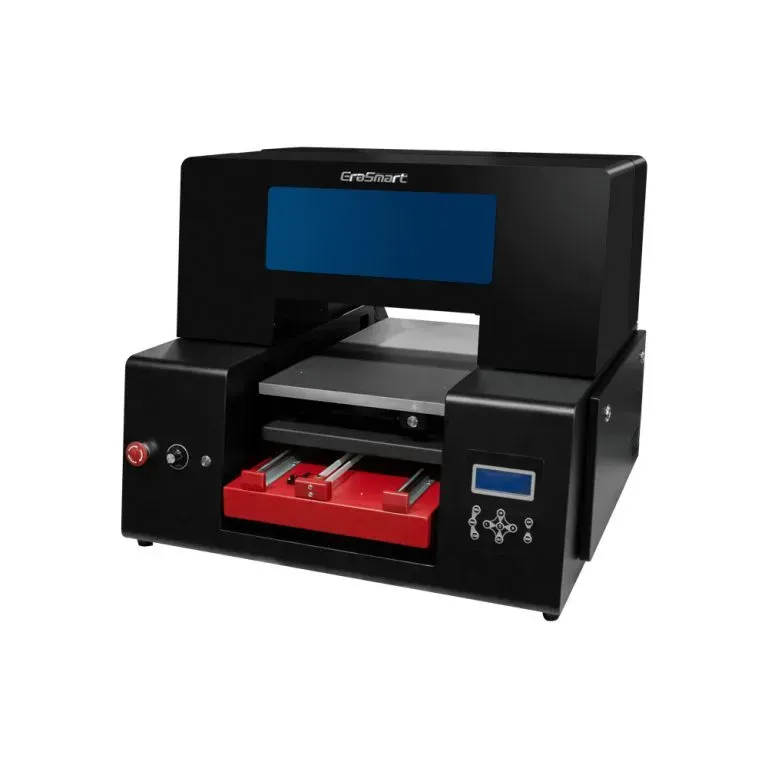
UV DTF Technology represents a groundbreaking advancement in the realm of printing, offering a perfect blend of speed and quality. This innovative approach utilizes UV-cured inks that dry instantly, allowing for vibrant and durable prints on a variety of substrates. As industries increasingly seek high-quality prints that stand out, UV Direct-to-Film printing emerges as a frontrunner in modern printing technology trends. Its ability to produce intricate designs with excellent color fidelity makes it an invaluable tool for businesses looking to enhance their product offerings. In this article, we explore the exceptional benefits and applications of UV DTF technology, and how it can significantly maximize your print quality.
Also known as UV Direct-to-Film printing, this technique involves the application of UV inks directly onto a special film, subsequently enabling transfers onto various materials including textiles and plastics. By merging the advantages of both UV printing and the traditional DTF process, this method ensures high-resolution and durable outputs that can meet diverse design requirements. The rapid curing process associated with this technology not only accelerates production times but also enhances the overall print quality, making it an ideal choice for businesses focused on innovation. As our explore the various aspects of this printing method, you’ll discover how it aligns with the latest advancements in the printing industry.
Understanding the Basics of UV DTF Technology
UV DTF (Direct-to-Film) technology revolutionizes the printing landscape, integrating the capabilities of UV printing with direct-to-film methods. As a result, it produces prints with enhanced detail, excellent color reproduction, and durability. This hybrid approach caters to businesses seeking versatility, allowing prints on a variety of materials, including textiles, plastics, wood, and metal. By utilizing UV-curable inks, which instantly dry upon exposure to UV light, printers can achieve remarkable outcomes that stand out in a competitive market.
Furthermore, the operation of UV DTF printing relies on advanced machinery that ensures every print meets high standards. The application of UV inks not only accelerates production speeds—thanks to immediate curing—but also significantly increases the potential for intricate designs. This means businesses can cater to a range of client requests with precision, whether crafting vibrant designs for promotional items or intricate patterns for fashion wear.
Key Benefits of UV DTF Printing
One of the most notable benefits of UV DTF technology is its high print quality. The combination of UV inks and film printing allows for incredibly sharp images and vibrant colors. This is particularly advantageous for products requiring fine detail, such as promotional merchandise or custom apparel. Businesses leveraging this technology often find themselves with a competitive edge, as they can produce items that meet customer expectations and market trends for high-quality visuals.
Another major advantage is the technology’s robustness in terms of durability. UV DTF prints are highly resistant to scratching, fading, and water damage, making them suitable for both indoor and outdoor applications. This characteristic not only appeals to clients looking for longevity in their products but also reduces the need for frequent reprints—thus saving time and material costs in the long run.
Applications of UV DTF Technology Across Industries
UV DTF technology serves a wide range of industries with its capability to adhere to various substrates and produce superior results. In the textile industry, for instance, fashion designers and apparel manufacturers capitalize on this printing method to create eye-catching graphics for T-shirts and uniforms. These high-quality prints stay vibrant even after multiple washes, making UV DTF a preferred choice for clothing brands aiming for longevity and style.
In addition to textiles, promotional product manufacturers utilize UV DTF technology to create customized items like mugs, phone cases, and unique gifts. The technology’s versatility enables producers to offer an extensive array of options to consumers, appealing to their diverse needs. Moreover, businesses in signage rely on UV DTF for outdoor signage; the durability of the prints ensures they can withstand adverse weather conditions while maintaining their appearance.
The Eco-Friendly Edge of UV DTF Technology
As sustainability becomes a core value within the printing industry, UV DTF technology aligns perfectly with eco-friendly practices. Unlike traditional solvent-based inks, UV-curable inks emit far fewer volatile organic compounds (VOCs), presenting a safer environment for both operators and the surrounding community. The reduced environmental footprint associated with UV printing processes underscores a growing trend towards responsible production.
Moreover, the efficiency of UV DTF printing not only minimizes waste but also lowers energy consumption during the printing process. By ensuring that the prints are completed quickly and with fewer materials required, it offers businesses an opportunity to adopt more sustainable practices while still meeting production demands. This commitment to environmental stewardship can also enhance a brand’s image, as consumers increasingly favor companies that prioritize sustainability.
Maximizing Efficiency with UV DTF Technology
To fully benefit from UV DTF technology, it’s crucial for businesses to invest wisely in equipment and regularly maintain printers. High-resolution machines with superior UV curing capabilities will undoubtedly yield better print quality. Additionally, operators should remain up-to-date with printing technology trends to adapt quickly to market changes and customer preferences, ensuring their product offerings remain relevant.
Another essential strategy for optimizing efficiency is calibrating print settings according to specific substrates. Regular testing can help identify the best configurations to achieve vibrant prints while minimizing waste. Companies should also prioritize staff training, as knowledgeable operators can efficiently navigate equipment settings and troubleshoot problems as they arise.
Future Trends in UV DTF Technology
The future of UV DTF technology appears promising, driven by advancements in ink formulations and machine innovation. Looking forward, manufacturers are focusing on developing inks that not only offer vibrant colors but also provide enhanced adhesion to a wider array of substrates. These improvements could push the boundaries of what businesses can achieve with UV DTF printing, enabling even more complex designs on challenging materials.
Additionally, the integration of smart technologies and Internet of Things (IoT) solutions into the printing process is expected to facilitate predictive maintenance and optimization of production workflows. As printers become more interconnected, businesses will be able to monitor performance in real-time, enabling them to enhance operational efficiency and significantly reduce downtimes.
Frequently Asked Questions
What is UV DTF technology and how does it enhance print quality?
UV DTF technology, or UV Direct-to-Film printing, employs UV-curable inks to produce sharp, vibrant prints on special films. Once cured under UV light, the film can be transferred to various substrates, ensuring high print quality by maintaining color fidelity and detail, even with intricate designs.
How does the UV curing process impact the durability of prints in UV DTF technology?
The UV curing process used in UV DTF technology instantly hardens the inks, creating a durable coating that resists scratching, fading, and water damage. This makes UV DTF prints highly suitable for outdoor applications and durable products, enhancing their longevity.
What makes UV DTF printing more environmentally friendly compared to traditional methods?
UV DTF printing uses UV-curable inks that emit fewer volatile organic compounds (VOCs) compared to traditional solvent-based inks. This reduction in emissions contributes to a healthier work environment and promotes sustainability in the printing industry.
What are the main applications of UV DTF technology across different industries?
UV DTF technology is versatile and applies to various industries, particularly textiles for apparel, promotional products like phone cases and mugs, durable signage for outdoor use, and innovative packaging solutions that attract customers with vibrant visuals.
How can businesses maximize print quality with UV DTF technology?
To maximize print quality with UV DTF technology, businesses should invest in high-resolution printers, select quality UV inks, optimize print settings for different substrates, carefully prepare design files, and perform regular maintenance on their equipment.
What recent trends are influencing the future of UV DTF printing technology?
Recent trends in UV DTF technology include the integration of IoT solutions to improve production efficiency, advancements in ink formulations for better adhesion and color vibrancy, and a growing emphasis on sustainability practices to minimize waste in the printing process.
| Key Points | Details |
|---|---|
| What is UV DTF Printing? | A printing process using UV curable inks on special film, transferable to various materials like textiles and plastics. |
| How Does UV DTF Work? | Designs are printed on film using UV inks that cure instantly with UV light, allowing for quick layering and transfer to substrates. |
| Advantages of UV DTF Technology | High print quality, durability, eco-friendliness, versatility across substrates, and efficiency in production. |
| Applications | Used in textiles, promotional products, signage, and packaging, benefiting from durability and visual appeal. |
| Strategies for Maximizing Print Quality | Invest in quality equipment, select the right inks, optimize settings, prepare designs carefully, and maintain equipment regularly. |
| Recent Trends | Smart integration with IoT, advanced ink formulations, and a focus on sustainability are shaping the future of UV DTF. |
Summary
UV DTF technology emerges as a groundbreaking method in the printing sector, enabling businesses to achieve superior print quality while maintaining versatility across various materials. By leveraging the unique attributes of UV curable inks, this technology offers high-resolution prints that are not only vibrant and life-like but also exceptionally durable. The ability to provide quick and efficient printing solutions positions UV DTF technology as an essential resource for industries ranging from textiles to packaging. As sustainability becomes a priority, the eco-friendly nature of UV inks further enhances its appeal, making UV DTF technology a crucial player in the future of printing.