
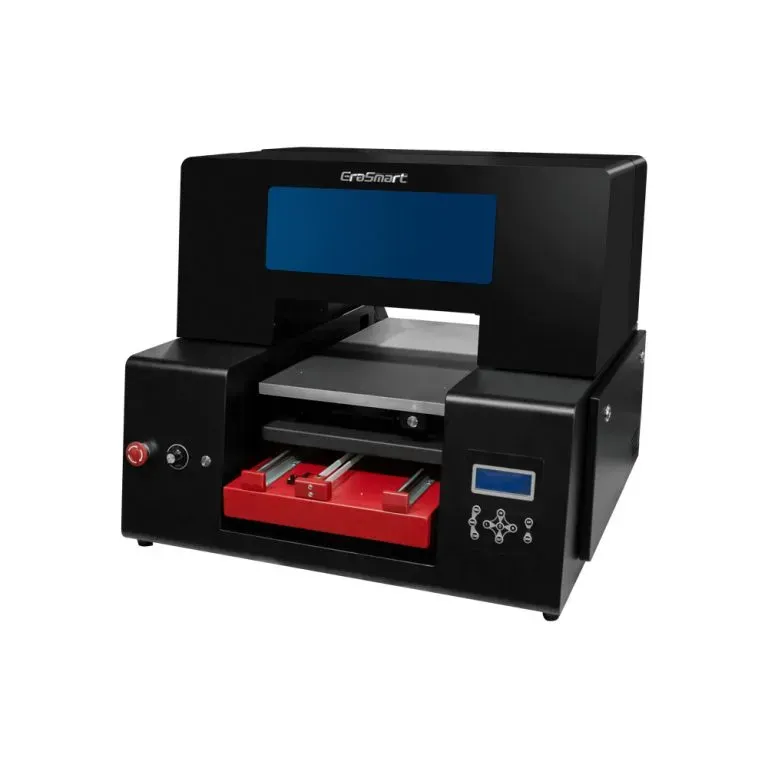
In the dynamic landscape of the printing industry, UV DTF technology stands out as a groundbreaking approach that is redefining traditional printing methods. This innovative technique leverages ultraviolet light to cure inks on specially designed films, offering unprecedented versatility across a variety of substrates. As businesses seek more custom printing solutions, UV Direct-to-Film printing not only meets these demands but also prioritizes environmentally friendly practices by reducing harmful emissions. With its rapid production capabilities and exceptional durability, it’s no surprise that the latest printing industry news often highlights UV DTF technology as the go-to choice for modern printing needs. As this technology continues to evolve, it promises to unlock even more opportunities for businesses aiming to stay competitive in a fast-paced market.
Exploring the facets of UV DTF technology reveals its potential as a transformative force in contemporary print solutions. Commonly referred to as ultraviolet direct-to-film printing, this method utilizes light-sensitive inks that are cured almost instantly when exposed to UV light. This advanced printing technology offers businesses the ability to produce high-quality, vibrant prints on a myriad of surfaces, making it an appealing option in the realm of custom graphics and promotional materials. Furthermore, with an emphasis on sustainable printing methods, UV DTF stands out in today’s environmentally conscious market. Such innovations not only enhance efficiency but also pave the way for future advancements that will shape the printing landscape as we know it.
The Versatility of UV DTF Technology
UV DTF technology stands at the forefront of printing innovation, thanks to its remarkable versatility. Unlike traditional direct-to-film printing methods that primarily focus on textiles, UV DTF allows operations to print on a wide range of substrates, including rigid materials like metal, glass, and wood. This flexibility opens up new avenues for businesses to diversify their product offerings, expanding beyond conventional items to include personalized promotional products and custom decor solutions. Companies specializing in craft manufacturing and signage can leverage this technology to produce unique, tailored items that resonate with specific customer needs and preferences.
Furthermore, the adaptability of UV DTF technology enhances its appeal in various sectors. Whether it is for creating intricate designs on commercial signage or eye-catching promotional materials, businesses can harness the broad capabilities of this technology to develop distinctive, personalized items. This capability not only ignites creativity but also allows for rapid prototyping and short-run production, enabling companies to respond swiftly to emerging market trends and client demands.
Durability Benefits of UV DTF Printing
One of the most significant advantages of UV DTF printing lies in its exceptional durability. The printing process employs ultraviolet light to cure inks, resulting in prints that possess robust resistance to fading, scratching, and moisture. This durability is paramount for products exposed to outdoor elements, ensuring that they maintain their vibrancy and visual appeal over time. Companies can offer confidence in their products, knowing that prints created with UV DTF technology will withstand daily wear and continue to look beautiful and fresh.
Additionally, the long-lasting characteristics of UV DTF printed items contribute to greater customer satisfaction and reduced waste. With a lower likelihood of reprinting requirements due to fading or damage, businesses benefit from decreased production costs and improved efficiency. This sustainability factor resonates well with modern consumers who prioritize longevity and quality in their purchases, further enhanced by the environmentally friendly nature of UV printing.
Eco-Friendliness of UV DTF Technology
As the printing industry increasingly focuses on sustainable practices, UV DTF technology offers a greener alternative to traditional printing methods. The inks used in UV printing contain fewer volatile organic compounds (VOCs), significantly minimizing harmful emissions in the workplace and environment. This ecological advantage aligns with a growing consumer demand for environmentally friendly printing solutions, making it an attractive option for businesses seeking to enhance their corporate social responsibility.
Moreover, the reduced waste associated with UV DTF technology leads to a more efficient production process. Businesses can generate high-quality prints without the excess ink usage often seen in traditional methods. This translates to not only cost savings but also a lower environmental impact, demonstrating a commitment to sustainability that can enhance brand reputation and customer loyalty.
Speed and Efficiency in Production with UV DTF
In an industry where time is money, UV DTF technology offers a marked improvement in production speed and efficiency. The ability to quickly produce high-quality prints allows businesses to meet tight deadlines and fulfill customer orders rapidly, bolstering both productivity and customer satisfaction. This swift turnaround can be a decisive factor in competitive markets where responsiveness is crucial.
Additionally, the streamlined production process afforded by UV DTF technology minimizes the time spent on setup and adjustments compared to traditional methods. This efficiency not only enhances output but also optimizes labor resources, enabling businesses to allocate their workforce more effectively. As a result, companies can scale operations to meet increasing demand while maintaining high standards of quality in their printing.
Cost-Effectiveness of UV DTF Solutions
While the initial investment in UV DTF technology may appear substantial, the long-term savings it offers make it an economically sound choice for businesses. The efficiency gained through reduced material waste and lower running costs can significantly enhance profitability over time. This cost-effectiveness is particularly beneficial for small businesses and startups that must maximize their returns while maintaining competitive pricing.
Moreover, the ability to produce high-quality, durable prints with reduced maintenance and operational costs makes UV DTF technology an attractive solution. Business owners can focus on expanding their product range without being bogged down by continuously high expenses. Ultimately, investing in UV DTF technology can yield substantial rewards, influencing the overall financial health and growth potential of printing enterprises.
Future Innovations in UV DTF Technology
As UV DTF technology continues to evolve, the printing industry is poised for exciting innovations that promise to raise the bar even higher. Manufacturers are actively exploring new ink formulations and advanced printing techniques to enhance print quality and adaptability across a range of substrates. This ongoing development suggests a robust future for UV DTF printing, with potential breakthroughs that will further diversify its applications.
In addition, emerging technologies such as automation and digital integration are expected to complement UV DTF methods, streamlining workflows and reducing production times even further. As companies adopt these innovations, they will not only improve their efficiency but also gain a competitive edge in the ever-changing market landscape. The fusion of UV DTF technology with cutting-edge advancements will undoubtedly lead to new possibilities and expanded services in the custom printing solutions arena.
Frequently Asked Questions
What is UV DTF technology and how does it work?
UV Direct-to-Film (DTF) technology is a modern printing method that utilizes ultraviolet light to cure inks onto a film, which can then be transferred to various substrates, including hard surfaces like wood and metal. This innovative technique enhances versatility and efficiency in the printing industry, allowing for custom printing solutions across diverse materials.
How does UV DTF technology compare to traditional printing methods?
Unlike traditional printing methods that may be limited in substrate compatibility, UV DTF technology offers enhanced versatility by enabling prints on a wide range of materials. It provides improved durability against wear and tear and is more environmentally friendly due to reduced volatile organic compounds (VOCs), making it a superior choice in the printing industry.
Is UV DTF technology environmentally friendly?
Yes, UV DTF technology is considered environmentally friendly as it uses UV inks that contain fewer volatile organic compounds (VOCs) compared to traditional solvent-based inks. This shift contributes to a healthier working environment and aligns with the growing emphasis on sustainability in the printing industry.
What are the main benefits of using UV DTF technology for custom printing solutions?
The main benefits of UV DTF technology include enhanced versatility for printing on various substrates, improved durability of prints, faster production speeds, and cost-effectiveness in the long run. These advantages make it an ideal choice for businesses seeking effective custom printing solutions that meet modern demands.
What industries are adopting UV DTF printing technology?
Various industries such as signage, promotional products, craft manufacturing, and merchandise are increasingly adopting UV DTF printing technology. Its versatility and efficiency are particularly valuable for sectors focused on custom branding and tailored interior decor solutions.
What innovations are shaping the future of UV DTF technology?
The future of UV DTF technology is being shaped by continuous innovations in ink formulations and printing techniques, including adjustable viscosity inks that enhance print quality. These advancements signal an ongoing evolution in the printing industry, expanding the applications and possibilities for UV DTF technology.
| Key Feature | Description |
|---|---|
| Enhanced Versatility | Allows printing on various materials including wood, metal, glass, and ceramics. |
| Improved Durability | Highly resistant to wear and tear, moisture, and UV light. |
| Environmental Considerations | Uses UV inks with lower VOCs, making it a more eco-friendly option. |
| Fast Production Speed | Enables rapid production of high-quality prints for tighter deadlines. |
| Cost-Effectiveness | Long-term savings due to efficiency and reduced waste, appealing for small businesses. |
| Innovation in Printing Techniques | Continuous advancements in ink formulations and techniques improve print quality. |
Summary
UV DTF technology is revolutionizing the printing industry by providing businesses with innovative solutions to meet modern demands. This advanced printing method offers exceptional versatility, allowing prints on a myriad of surfaces beyond fabrics and improving product durability significantly while minimizing environmental impact. Companies that integrate UV DTF technology into their operations can enhance their productivity through fast production speeds and enjoy cost-effectiveness due to reduced waste and efficient ink use. As sustainability becomes increasingly important, UV DTF printing stands as a forward-thinking choice, making it the perfect method for businesses focused on quality, efficiency, and eco-friendly practices. The evolution of this technology promises to continue shaping the future of the printing landscape.