
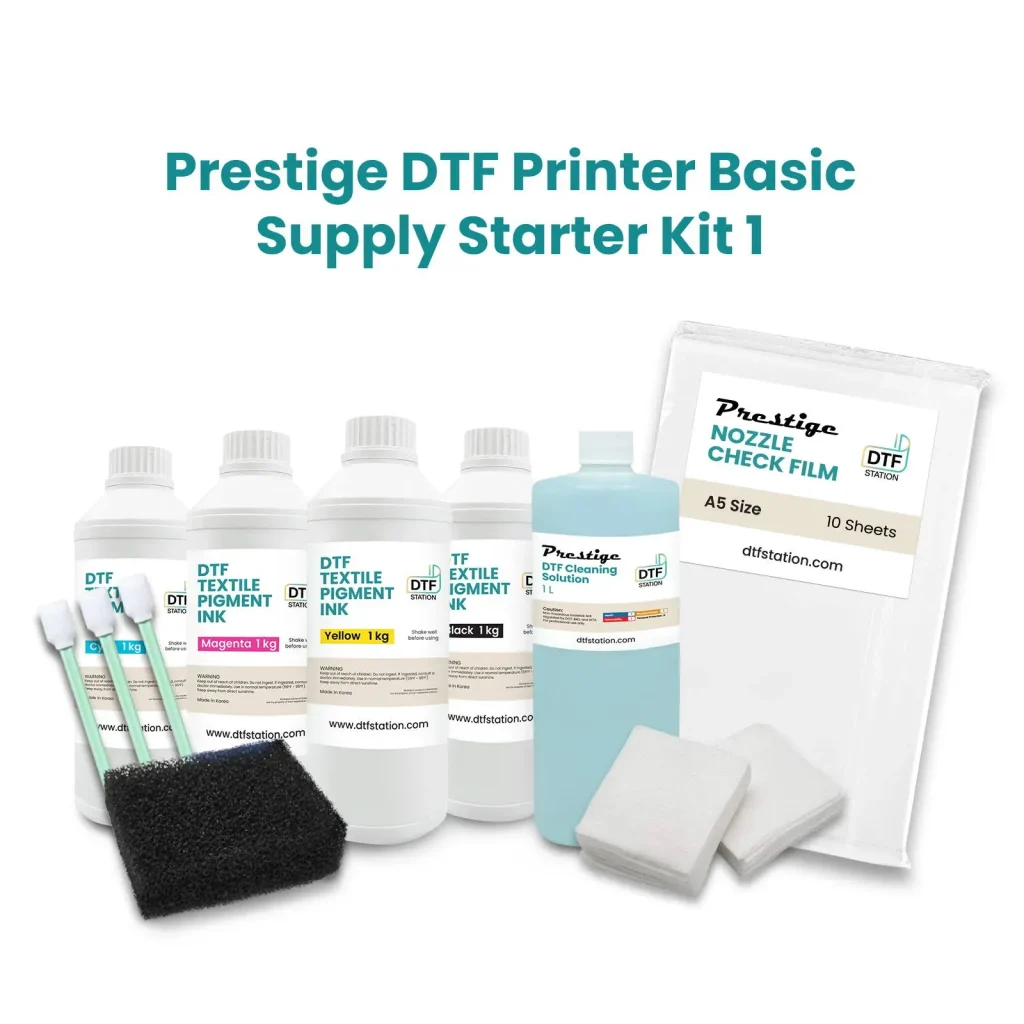
DTF Supplies are essential for anyone looking to venture into the world of Direct to Film printing. This innovative technique has revolutionized fabric printing, enabling creators to achieve vibrant and detailed designs with ease. Whether you’re a hobbyist or a professional, understanding the various DTF supplies, such as DTF films, inks, and adhesive powders, is crucial to ensure stunning results. In this article, we’ll guide you through the process of choosing the right DTF supplies, helping you make informed decisions that align with your creative vision. Embrace the transformative power of DTF printing materials to elevate your projects and bring your ideas to life.
When it comes to fabric printing, selecting the right materials is paramount for success. Often referred to as film transfer printing, this technique allows for high-quality image reproduction on textiles using unique inks and specialized films. With the right combination of printing supplies, such as adhesive powders and compatible printers, you can unlock endless creative possibilities. Our comprehensive guide will assist you in navigating the intricacies of choosing suitable DTF essential materials, ensuring top-notch results every time. Get ready to explore the world of DTF technologies and how they can enhance your custom apparel, decorations, and promotional items.
Understanding DTF Printing Materials
The foundation of successful DTF printing lies in the materials used in the process. Key to this are DTF films, which serve as the medium for your designs. When choosing films, it is imperative to opt for high-quality options that facilitate excellent ink transfer and adherence. With superior quality coating, the film not only enhances the vibrancy of colors but also ensures that intricate details of your design are captured perfectly. Different finishes—such as matte or glossy—can affect the final appearance of your printed items, so think carefully about the aesthetic you aim to achieve.
Another crucial aspect to consider is the compatibility of your chosen DTF films with the inks you intend to use. For instance, water-based inks generally require specific types of films to adhere appropriately, whereas solvent-based inks often exhibit better results on different film types. Understanding these nuances can make a significant difference in the quality and durability of your prints.
The Importance of DTF Inks
DTF inks are pivotal to the printing process, determining not only the visual quality of the final product but also its durability. Selecting the right type of inks is crucial—water-based inks are preferable for environmental reasons and ease of use, but they may face challenges when adhering to certain fabric types. On the other hand, solvent-based inks tend to provide superior adhesion and are favored for projects that require durability against wear and washing.
When diving into the world of DTF printing, always ensure that the selected inks are compatible with both your printer and the films you’ve chosen. This alignment significantly reduces the likelihood of print quality issues and ensures a smooth printing process, ultimately helping you to achieve the professional results you desire.
Choosing the Right Adhesive Powders
In DTF printing, the right adhesive powder is essential for successful image transfer. This powdered adhesive bonds the printed ink to the fabric when heat is applied. Different powders are suited for various fabric types and inks, meaning that understanding which adhesive works best with your selected materials is crucial for achieving the desired quality. Many professionals recommend testing a small sample to evaluate adhesion before committing to larger runs.
Proper application of the adhesive is also vital; an inconsistent application could lead to poor bonding, resulting in peeling or fading prints. As such, mastering the technique for applying adhesive powders can significantly enhance the durability and quality of your DTF prints, ensuring they withstand regular use over time.
Printer Compatibility and Performance
Selecting a printer that is fully compatible with your DTF supplies cannot be overstated, as it directly affects the quality of your output. Direct injection printers are commonly used in DTF printing due to their ability to produce high-resolution prints. Investing in a printer that not only meets your project requirements but also works seamlessly with your chosen films and inks will enhance the overall clarity and detail of your designs.
Additionally, understanding the features and capabilities of your printer will enable you to optimize settings for each project. Different fabrics may require adjustments in temperature, pressure, and speed, so being flexible and knowledgeable about these parameters can help you achieve the best results possible.
Exploring Various Fabric Types for DTF
DTF printing is renowned for its versatility, enabling applications on a wide variety of fabric types. Popular choices include cotton, which offers a soft texture ideal for apparel, and polyester, often used for sportswear due to its durability and moisture-wicking properties. Blended fabrics, while providing a combination of attributes, may require particular care when printing to ensure optimal transfer and longevity.
Understanding each fabric’s specific needs—including the required temperatures and pressure settings—is crucial for success. Performing test transfers on the intended fabric will help you fine-tune your processes, leading to outstanding results that showcase the vibrant quality that DTF printing is known for.
Current Innovations in DTF Technology
The evolution of DTF printing technology continues to shape the landscape of custom textile production. Recent advancements focus on enhancing the quality, durability, and affordability of DTF supplies. Innovations in DTF films, for example, are enhancing the vibrancy and flexibility of designs, enabling artists and professionals to push creative boundaries further than ever before.
Moreover, new formulations in DTF inks aim to improve performance concerning washability and longevity, ensuring that prints maintain their visual appeal over extended periods. As you explore the possibilities within DTF printing, staying informed about these developments will empower you to refine your craft and achieve the highest quality results.
Frequently Asked Questions
What are the essential DTF supplies needed for high-quality printing?
To achieve high-quality results in DTF printing, you’ll need several essential DTF supplies, including DTF films, DTF inks, and DTF adhesive powders. Choosing high-quality transfer films ensures better adhesion and sharp images, while selecting the right inks, whether water-based or solvent-based, is crucial for durability and vibrancy. Additionally, DTF adhesive powders are necessary to bond the ink to the fabric during the transfer process.
How do I choose the right DTF films for my printing projects?
Choosing the right DTF films involves considering the quality of the film coating and the finish type. High-quality coated DTF films provide superior ink adherence, ensuring vibrant and clear designs. Opt for matte films for a subtle look or glossy films for more vibrancy, depending on your project’s aesthetic goals.
What types of DTF inks are available and which should I choose?
DTF inks primarily come in two types: water-based inks and solvent-based inks. Water-based inks are environmentally friendly but may not adhere well to all fabrics, while solvent-based inks provide better adhesion and durability but can be more toxic. Choose the type based on your fabric compatibility and the desired print longevity.
What role do DTF adhesive powders play in the printing process?
DTF adhesive powders are crucial for bonding the ink to the fabric during the heat transfer process. Proper application of these powders ensures durability and quality of the final print. It’s important to select powders that are compatible with your specific DTF inks and fabric types for optimal results.
How do I ensure my printer is compatible with DTF supplies?
To ensure your printer is compatible with DTF supplies, check if it utilizes direct injection technology, which is essential for high-resolution DTF printing. Verify the printer’s specifications to confirm that it supports the DTF films and inks you plan to use, as compatibility is key to achieving sharp and vibrant results.
What fabric types are best suited for DTF printing?
DTF printing is versatile and works effectively on various fabric types, including cotton, polyester, and fabric blends. Cotton is great for soft apparel, while polyester is ideal for sportswear. Be sure to understand the specific requirements, such as temperature settings, for each fabric type to ensure successful transfers.
| Key Component | Details |
|---|---|
| Films | – Quality Coating – Finish Types (Matte vs. Glossy) |
| Inks | – Water-Based Inks (Eco-friendly) – Solvent-Based Inks (Better adhesion) |
| Adhesives | – Powder Compatibility for optimal adhesion |
| Printer Compatibility | Ensure printer works with selected films and inks |
| Fabric Types | – Cotton, Polyester, Blends, etc. |
| Curing Processes | Heating time for durability after transfer |
Summary
DTF Supplies are essential for anyone looking to explore the exciting world of Direct to Film printing. This innovative method provides unparalleled opportunities for creating vibrant, durable designs on a variety of fabrics. Understanding the key components of DTF printing—such as films, inks, adhesives, and printer compatibility—is crucial for achieving exceptional results. By staying informed about the latest advancements in DTF technology and materials, you can enhance your printing projects and bring your creative vision to life. Whether for personal use or professional applications, mastering DTF supplies allows you to produce high-quality, customized products that impress. Embrace the possibilities that DTF printing presents and choose wisely from the myriad of available supplies to elevate your craft.