
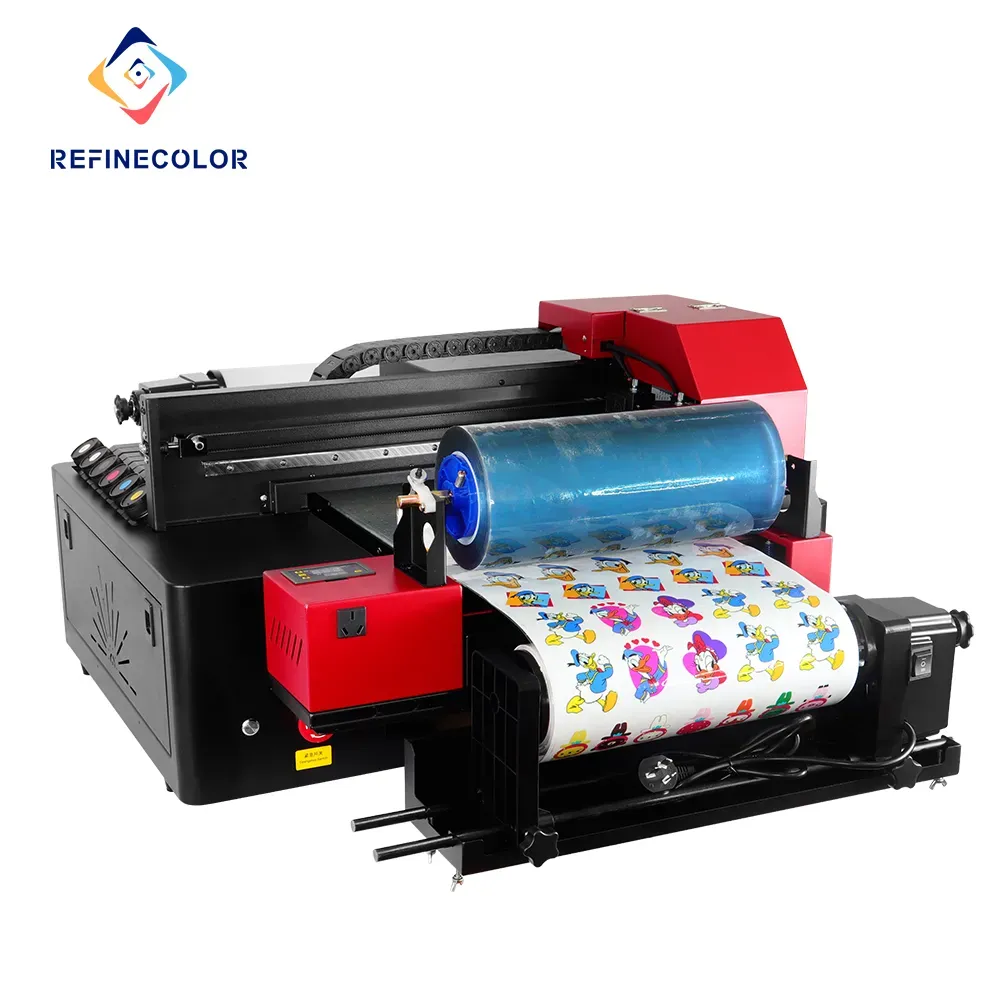
In the competitive landscape of printing technology, UV DTF (Direct to Film) printing emerges as a game-changer, providing businesses with innovative ways to deliver high-quality products. This cutting-edge method utilizes UV printing technology to create vibrant, durable prints that adhere beautifully to a vast array of surfaces, including challenging materials like plastics and dark fabrics. As we explore the benefits of UV DTF, it becomes evident that this technique not only enhances the visual appeal of printed items but also significantly boosts their longevity, making them ideal for both indoor and outdoor applications. Implementing UV DTF successfully requires strategic planning and understanding the nuances of this transformative technology. This guide will present essential tips and insights designed to help you master the implementation of UV DTF printing in your operations, ensuring you stay ahead in the ever-evolving printing industry.
Often referred to as direct-to-film technology, UV DTF printing stands at the forefront of modern printing solutions, where ultraviolet light plays a pivotal role in curing inks for high-quality finishes. This method, known for its versatility, enables businesses to produce stunning, vibrant designs on various substrates, delivering exceptional results efficiently. Understanding UV ink application and technology advancements can dramatically change how companies approach their printing needs. Those looking to elevate their product offerings will find that incorporating UV printing techniques not only improves durability but also can open doors to new markets and applications. By mastering this innovative printing solution, businesses can enhance their brand reputation while meeting the diverse demands of contemporary customers.
Exploring the Fundamentals of UV DTF Printing
UV DTF printing is a game-changing technology that leverages ultraviolet light to cure ink on specially coated films. This innovative approach provides a solution for printing on diverse materials like plastics, fabrics, and more. By utilizing high-quality printers equipped with advanced color management systems, businesses gain the ability to deliver prints that boast vibrant colors and intricate details. Understanding these foundational elements is essential for maximizing the benefits of UV DTF printing in your operations.
Moreover, the efficiency of UV DTF printing ensures that even under challenging conditions, products maintain clarity and durability. This adaptability highlights its growing importance in various industries, from custom apparel to signage and packaging. The overarching goal is to provide clients with end products that not only meet but exceed their expectations in aesthetic appeal and longevity.
Key Benefits of Implementing UV DTF in Your Business
The advantages of UV DTF printing are manifold, positioning it as a superior choice for modern printing needs. One of the primary benefits is the technology’s ability to produce high-quality prints that stand the test of time. UV DTF prints are resistant to fading and other forms of damage, making them suitable for both indoor and outdoor applications. Businesses that prioritize longevity in their products will find UV DTF an essential addition to their printing arsenal.
In addition to durability, UV DTF printing allows for greater creativity and flexibility. This technology can print on a wide range of surfaces, enabling businesses to explore new product ideas and customize offerings according to client demands. By harnessing the power of UV DTF printing, companies can differentiate themselves in a competitive market, offering unique solutions that appeal to customers looking for quality and innovation.
Essential Equipment for Successful UV DTF Printing
Selecting the right equipment is paramount when venturing into UV DTF printing. High-performance UV printers are at the heart of this process, as they determine the overall quality of the output. Investing in reputable brands that focus on high-resolution printing ensures that your products meet industry standards for color fidelity and sharpness. Moreover, incorporating advanced RIP software into your setup can streamline color management, enhancing print consistency across all production runs.
Additionally, the choice of transfer film plays a critical role in achieving optimal results. High-quality transfer films specially designed for UV printing can significantly impact the vibrancy and clarity of the printed materials. Ensuring compatibility between the printer and film is an essential step that should not be overlooked. By prioritizing equipment quality, businesses can lay the groundwork for successful UV DTF printing operations.
Streamlining Workflow for UV DTF Success
An optimized workflow is crucial for maximizing the effectiveness of UV DTF printing in a business setting. By strategically organizing processes, businesses can minimize delays and improve overall productivity. For instance, establishing routine maintenance schedules for printers helps prevent unexpected breakdowns, allowing for seamless operations. The implementation of an efficient job setup process can also reduce time lost during transitions between different print jobs.
Furthermore, integrating reliable software solutions, such as RIP software, can streamline artwork preparation and simplify color profile management. This ensures that every print meets quality standards while cutting down on the time required for setup and adjustments. Implementing these improvements in workflow is not just about speed; it is also about ensuring that the end product reflects the high standards expected from UV DTF printing.
Training and Skills Development for UV DTF Staff
Training your staff on the intricacies of UV DTF printing is not merely a recommendation; it’s a necessity. Comprehensive education on operating UV printers, handling inks, and managing software systems can significantly reduce errors and improve output consistency. Implementing regular training sessions helps keep staff well-informed about best practices and troubleshooting common issues that may arise during production.
Additionally, fostering a culture of safety is essential in the UV printing environment. Equipping team members with knowledge about safe handling procedures for inks and understanding UV exposure risks ensures a secure workplace. As staff capabilities grow alongside technological advancements in UV DTF printing, businesses will find significant improvements not only in product quality but also in overall morale and efficiency.
Staying Ahead with UV DTF Market Trends
In the rapidly evolving landscape of printing technologies, staying informed about market trends is vital for businesses aiming to leverage UV DTF printing. This includes being aware of advancements in eco-friendly inks and materials, as more clients favor sustainable practices. Utilizing environmentally friendly options not only contributes positively to the planet but also positions the business as a responsible choice within a competitive market.
Moreover, keen awareness of emerging technologies and industry practices can play a crucial role in maintaining a competitive edge. Engaging with industry publications, attending trade shows, and participating in forums can provide businesses with valuable insights and inspiration. By embracing a proactive approach towards market trends, companies can ensure that their UV DTF printing operations remain relevant and appealing to a broad spectrum of clients.
Frequently Asked Questions
What is UV DTF printing and how does it work?
UV DTF printing, or UV Direct to Film printing, is a technology that utilizes ultraviolet light to cure ink as it prints onto a specially coated film. This method allows for the production of high-quality prints with vibrant colors and excellent adhesion to various surfaces.
What are the key benefits of UV DTF printing for businesses?
The primary benefits of UV DTF printing include its ability to produce high-quality prints on challenging surfaces, exceptional color vibrancy, and durability against fading. This makes UV DTF an ideal choice for both indoor and outdoor applications, catering to businesses that need long-lasting products for their customers.
What equipment is essential for successful UV DTF implementation?
For successful UV DTF implementation, investing in a high-resolution UV printer and quality transfer films is essential. A reputable printer with advanced color management capabilities ensures optimal output quality, while specialized UV printing films enhance transfer efficiency and final print vibrancy.
How can businesses optimize their workflow in UV DTF printing?
To optimize workflow in UV DTF printing, businesses should integrate reliable RIP software to manage color profiles and streamline artwork preparation. Establishing efficient job setups, maintaining regular printer servicing, and minimizing switching times between jobs can significantly enhance productivity.
What materials should businesses test for UV DTF printing compatibility?
Before starting UV DTF printing, businesses should thoroughly test all potential substrates such as fabrics, plastics, and other materials. Testing ensures compatibility with the UV printing process, preventing issues with adhesion and maintaining clarity in final prints.
How can businesses stay updated on market trends in UV DTF printing?
Staying updated on market trends in UV DTF printing involves engaging with industry publications, participating in forums, and networking with suppliers and experts. Businesses should also consider adopting eco-friendly inks and materials to appeal to environmentally conscious customers while keeping an eye on innovative technologies.
| Key Point | Description |
|---|---|
| Understanding UV DTF Technology | A printing method using UV light to cure ink on coated film, resulting in vibrant and durable prints. |
| Advantages of UV DTF | Produces high-quality prints on challenging surfaces; exhibits resistance to fading for durable products. |
| Essential Equipment Selection | Invest in high-resolution printers and quality transfer films for optimal results. |
| Optimizing Your Workflow | Utilize RIP software for color management and establish efficient production workflows to minimize downtime. |
| Selecting the Right Materials | Conduct substrate testing to ensure compatibility with UV printing processes. |
| Training Staff | Provide training on UV DTF equipment handling and safety protocols to enhance productivity. |
| Staying Updated with Market Trends | Adopt sustainability practices and stay informed about new technologies to maintain competitiveness. |
| Building Relationships | Network with suppliers and industry experts for insights into innovative practices. |
| Customer Engagement | Educate customers about UV DTF benefits through marketing campaigns and samples. |
Summary
UV DTF printing has become a pivotal technology in the printing industry, blending innovation and efficiency for businesses. By implementing UV DTF effectively, companies can deliver high-quality and durable prints that cater to a diverse range of materials, ensuring customer satisfaction and loyalty. The key to successful adoption lies in understanding the technology’s benefits, investing in the right equipment, optimizing workflows, and focusing on staff training. Emphasizing sustainability and engaging with customers further enhances the appeal of your offerings. As the printing landscape evolves, remaining adaptable and informed will position your business for future success in UV DTF and beyond.