
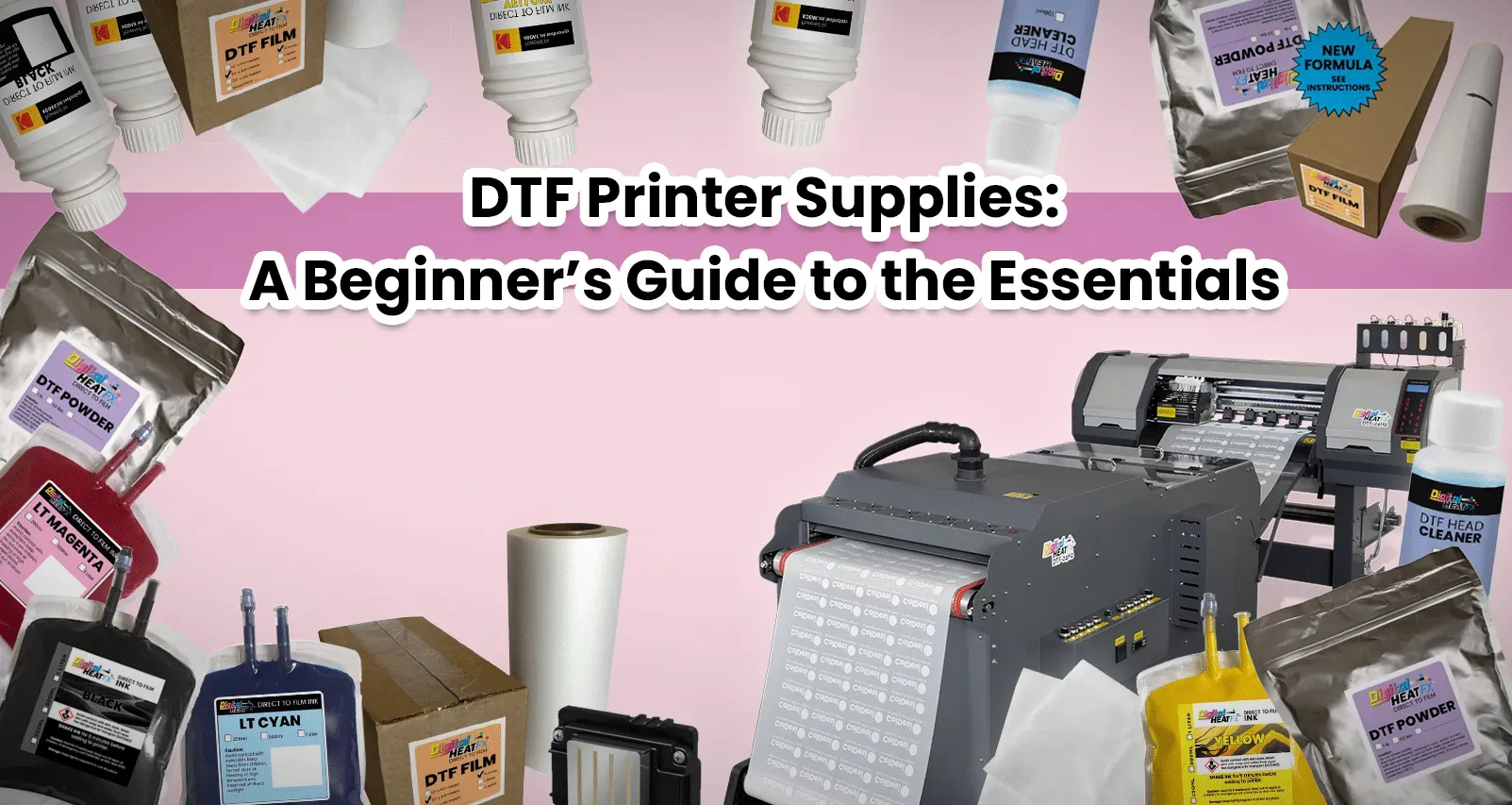
Welcome to the Beginner's Guide to DTF, your essential resource for stepping into the innovative world of Direct-to-Film printing! This unique printing method has emerged as a game-changer in the realm of custom apparel printing, allowing for stunning designs to be transferred seamlessly onto various fabrics. By understanding the DTF printing process, you’ll discover how this versatile technique stands out against traditional textile printing methods, such as screen printing and direct-to-garment (DTG) printing. With its impressive quality and cost-effectiveness for small runs, DTF represents an exciting opportunity for both amateur designers and established businesses alike. Dive into our guide and unlock tips and insights to harness the full potential of DTF printing for your creative projects!
As you embark on your journey into Direct-to-Film printing, you may find it referred to by other names within the industry, such as DTF transfer methods or film-based textile printing techniques. This modern approach to fabric decoration is not only user-friendly but also adaptable, catering to a myriad of textile products and designs. Many creators are exploring digital transfer options that utilize similar principles, enhancing the customization experience for apparel enthusiasts and professionals. These innovative practices are redefining the standards in custom printing, allowing for unique visual expressions that resonate with individual styles. Understanding these alternative terms will further enrich your knowledge, making it easier for you to navigate discussions and resources in the dynamic DTF landscape.
Understanding DTF Printing: A Comprehensive Overview
Direct-to-Film (DTF) printing has emerged as a game changer in the landscape of custom apparel printing. This method leverages advanced technology to transfer designs onto fabrics by printing on a special film that is later heat-pressed onto the desired material. Unlike traditional textile printing methods, such as screen printing or direct-to-garment (DTG) printing, DTF offers unparalleled versatility, making it ideal for various applications—from clothing to accessories. With the capacity to print on cotton, polyester, and blends, DTF is rapidly becoming the preferred choice for businesses looking to diversify their product offerings.
The rise of DTF printing has been fueled by its ease of use and the quality of the final product. It achieves remarkable vibrancy and durability, often outperforming other printing techniques in wash resistance and color brilliance. As more businesses and hobbyists recognize these advantages, DTF continues to revolutionize how we think about textile design and production. For anyone pondering a foray into custom apparel printing, understanding the fundamentals of DTF is crucial to unlocking its full potential.
Beginner's Guide to DTF: Essential Steps and Equipment
For beginners diving into the world of Direct-to-Film printing, it's essential to first grasp the fundamental steps involved in the DTF printing process. The journey begins with design creation, where users employ graphic design software to craft unique images tailored to their needs. This flexibility empowers individuals to experiment with designs that can resonate with their audience or fit personal preferences. Following design creation, the actual printing on DTF film takes place, utilizing a DTF printer specifically engineered for this purpose.
Next, the process involves applying heat-sensitive adhesive powder to the printed film, which is critical for achieving a strong bond between the print and the fabric during transfer. Finally, the film is heat-pressed onto the garment, solidifying the design. It's imperative for beginners to gather the required equipment, including a compatible DTF printer, heat press, and appropriate transfer films. By mastering these equipment requirements and understanding the DTF printing process, novices can quickly establish a foothold in the custom printing industry.
Frequently Asked Questions
What is the DTF printing process and how does it work?
The DTF printing process, or Direct-to-Film printing process, involves several key steps: first, the design is created with graphic design software. Second, the design is printed onto a specialized DTF film using a DTF printer. Then, a heat-sensitive adhesive powder is applied to the wet ink. Finally, the film is heat-pressed onto the chosen fabric, ensuring a durable transfer. This process makes DTF an efficient method for custom apparel printing.
What equipment do beginners need for DTF printing?
To start DTF printing, beginners require a DTF printer compatible with transfer films, DTF transfer film, a reliable heat press for transferring designs, DTF adhesive powder to ensure proper adhesion, and a computer with design software for creating graphics. Investing in quality equipment enhances the overall DTF printing experience.
What are the advantages of DTF printing over traditional methods?
DTF printing offers numerous advantages over traditional methods like screen printing and DTG printing. Its versatility allows for printing on various materials, ensuring vibrant and durable results. Additionally, DTF printing is cost-effective for small runs, making it perfect for beginners and small businesses. This method simplifies the printing process without sacrificing quality.
How can I learn more about DTF printing for beginners?
Beginners can explore DTF printing by utilizing resources such as YouTube tutorials, blogs, and online forums which provide insights and experiences from seasoned users. Furthermore, online courses focused on DTF printing mechanics offer structured learning to help grasp the fundamentals and enhance skills in custom apparel printing.
Is DTF printing suitable for small production runs?
Yes, DTF printing is particularly suitable for small production runs. Unlike traditional screen printing, which involves significant setup costs, DTF allows for affordable printing of short quantities. This cost-effectiveness makes DTF an attractive option for beginners and entrepreneurs looking to start in the custom apparel market.
What recent trends are influencing the DTF printing industry?
Recent trends in the DTF printing industry include innovations in equipment making it more user-friendly, a push towards sustainable practices with eco-friendly inks and recyclable films, and overall enhancements in print quality. These trends are shaping the custom apparel landscape and making DTF printing more accessible and appealing to users.
| Aspect | Description |
|---|---|
| What is DTF? | Direct-to-Film (DTF) printing is a method of transferring designs onto fabrics using heat-pressed special film. |
| Key Advantages | - **Versatility**: Usable on a range of materials like cotton and polyester. - **Quality**: Produces vibrant, durable prints resistant to washing. - **Cost-Effective for Small Runs**: Affordable for short production runs, unlike screen printing. |
| DTF Printing Process | 1. Design Creation 2. Printing on Film 3. Powder Application 4. Transfer to fabric using heat press. |
| Equipment Required | - DTF Printer - DTF Transfer Film - Heat Press - DTF Adhesive Powder - Computer with Design Software |
| Learning Resources | - YouTube Tutorials - Blogs and Forums - Online Courses |
| Recent Trends | - Innovation in Equipment - Sustainability Trends - Enhanced Quality |
Summary
The Beginner's Guide to DTF provides a comprehensive introduction to Direct-to-Film printing, a revolutionary technique in the custom apparel industry. This guide highlights the incredible versatility, quality, and cost-effectiveness of DTF printing, making it an ideal choice for newcomers and seasoned professionals alike. By understanding the steps involved in the DTF printing process and the essential equipment required, anyone can delve into the exciting world of textile printing. Moreover, with various learning resources available online, beginners can easily familiarize themselves with techniques and trends, setting the stage for a successful DTF printing journey. As the market continues to evolve, DTF printing remains a promising avenue for creative expression.