
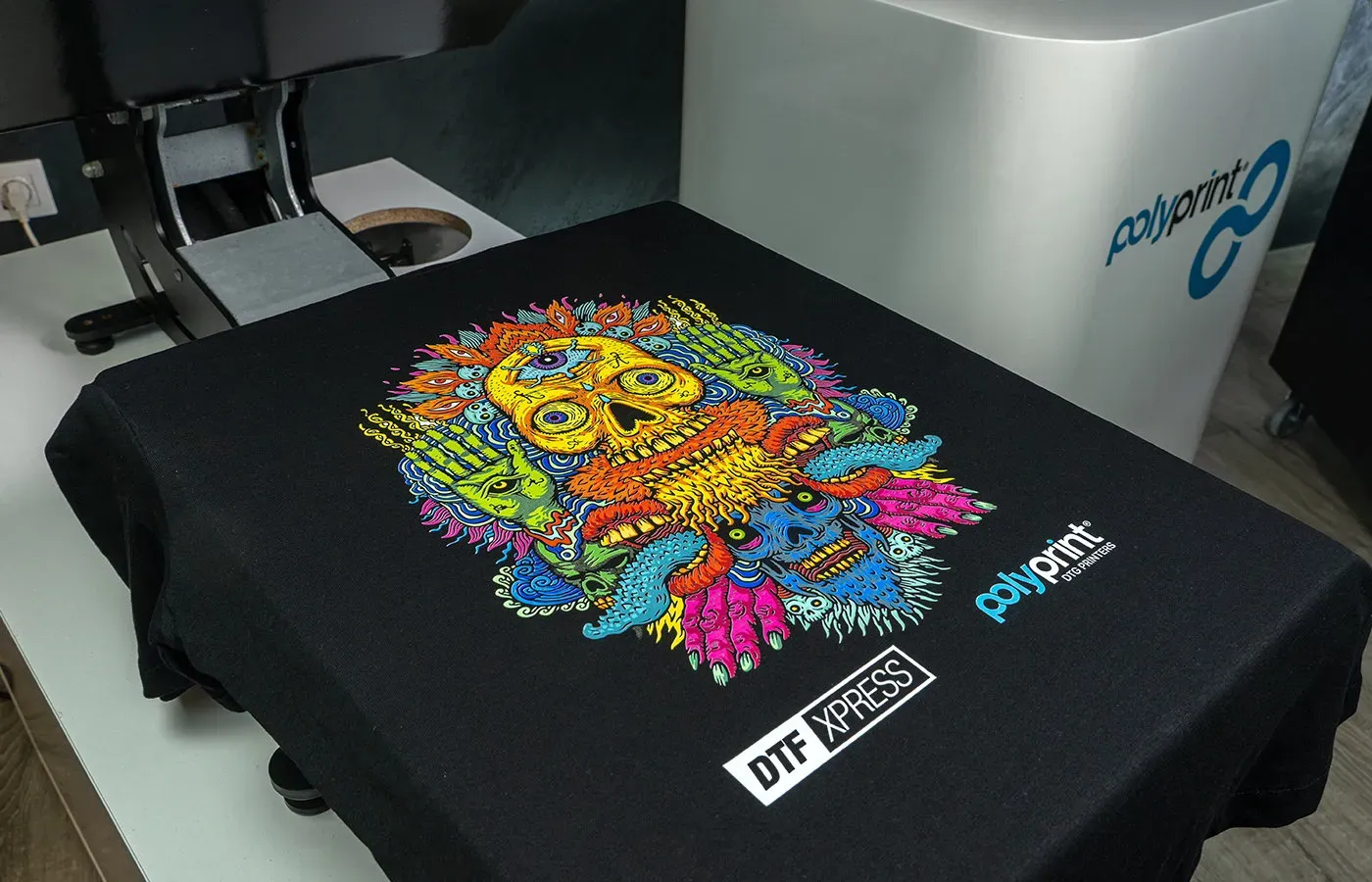
DTF printing, or Direct to Film printing, has rapidly gained popularity in the garment industry for its ability to create stunning, high-quality prints on various fabrics. This revolutionary printing method offers a unique DTF print process that allows for vibrant designs to be transferred easily, enhancing the appeal of custom apparel printing. Unlike traditional screen printing, DTF technology streamlines the design process, enabling intricate multicolor prints without the need for costly screens. As the advantages of DTF printing—such as its cost-effectiveness and durability—become increasingly recognized, more businesses are adopting this method to meet consumer demand. However, it is essential for users to be aware of DTF printing challenges such as adhesion issues and the initial learning curve to make the most of this innovative technology.
The world of garment decoration is being transformed by Direct to Film printing, also known as DTF technology, which provides a fresh avenue for transferring graphics onto textiles. This digital-oriented printing technique utilizes specialized films that can accommodate various fabric types, offering a significant leap from conventional methods like screen printing. By simplifying the printing process and pairing high-resolution images with durable applications, custom garment creators are discovering the potential of DTF in producing detailed and vibrant designs. Moreover, this method addresses the growing needs of the market by offering quick turnaround times alongside impressive fabric compatibility. As garment decorators continue to explore this modern technology, understanding the nuances of DTF will be crucial in navigating its benefits and obstacles in custom apparel printing.
Understanding the DTF Print Process
To fully appreciate DTF printing, it’s important to first understand the meticulous process behind it. Direct to Film printing starts with the design creation phase, where graphic designers unleash their creativity using specialized software. The intricacies involved in preparing and tailoring designs specifically for fabric applications allow for unique visual expressions that are not only eye-catching but also highly marketable. This initial stage sets the tone for the overall quality of the final product, pushing the boundaries of custom apparel printing.
Once the design is finalized, it’s printed onto specially coated DTF films utilizing eco-solvent inks that yield vibrant colors. This high-definition output is crucial for ensuring detail and fidelity in the final print. Following the printing, an adhesive powder is applied which is then heat activated, leading to the successful transfer of the design onto the fabric. Understanding these steps highlights why DTF printing is preferred in the custom garment industry, as it combines creativity with technical execution for exceptional results.
Frequently Asked Questions
What is DTF printing, and how does it differ from other printing methods?
DTF printing, or Direct to Film printing, is a revolutionary digital printing technology that transfers vibrant designs onto fabrics using a special transfer film. Unlike traditional screen printing, which requires separate screens for each color, DTF allows multiple colors in a single print run, making it more versatile and efficient for custom apparel printing.
What are the advantages of DTF printing for custom apparel?
DTF printing offers numerous advantages for custom apparel, including versatility across various fabric types, cost-effectiveness for small production runs, and exceptional durability of prints that maintain their vibrancy after multiple washes. This makes it an ideal choice for businesses looking to create high-quality, long-lasting designs.
Can DTF printing be applied to any type of fabric?
Yes, DTF printing can be applied to a wide range of fabric types, including cotton, polyester, and fabric blends. This versatility allows businesses to create custom apparel across different product lines, from t-shirts to hoodies, without compromising on quality.
What challenges does DTF printing present to new users?
One of the main challenges of DTF printing is the learning curve associated with using the equipment and materials effectively. New users may encounter adhesion issues if proper heat settings and application times are not followed. Understanding these aspects is crucial for achieving high-quality prints and minimizing material waste.
How does the DTF print process ensure high-quality designs?
The DTF print process ensures high-quality designs by using eco-solvent inks that produce vibrant colors on special transfer films. The application of adhesive powder and precise heat activation during the transfer process are critical steps that determine the adherence and durability of the design on the garment.
What trends are shaping the future of DTF printing in the custom apparel market?
The future of DTF printing in the custom apparel market is influenced by trends such as increasing demand for personalized clothing, advancements in user-friendly technology for easier operation, and ongoing improvements in print quality and speed to meet consumer expectations. These trends are paving the way for businesses to leverage DTF printing effectively.
| Key Points | Details |
|---|---|
| What is DTF Printing? | A digital printing technology that transfers designs onto garments via a transfer film and heat application, allowing for multiple colors without extensive setup. |
| The DTF Printing Process | 1. Design Creation: Use software to create designs. 2. Applying Adhesive Powder: Sprinkle powder onto wet ink. 3. Heat Activation: Melt adhesive with a heat press. 4. Transferring to Fabric: Apply heat to transfer design onto garment. |
| Advantages of DTF Printing | - Versatile for various fabrics and intricate designs. - Cost-effective for small production runs. - Durable prints that withstand washing. |
| Challenges in DTF Printing | - Adhesion issues if heat settings are wrong. - Learning curve for new users. |
| Market Trends | - User-friendly technology for newcomers. - Increased demand for custom apparel. - Focus on improving print quality and speed. |
Summary
DTF Printing is revolutionizing the world of custom apparel by merging vibrant design capabilities with economical production methods. This innovative technique has made it easier for businesses to create intricate designs on various fabric types without the complexity. With the ability to produce durable prints that remain intact after numerous washes, DTF printing stands out in today's competitive market. However, users must navigate potential challenges such as adhesion issues and a learning curve associated with new equipment. Understanding these aspects, along with the current trends in DTF technology, equips businesses to leverage this powerful printing method effectively, ensuring they thrive in the ever-changing landscape of garment printing.