
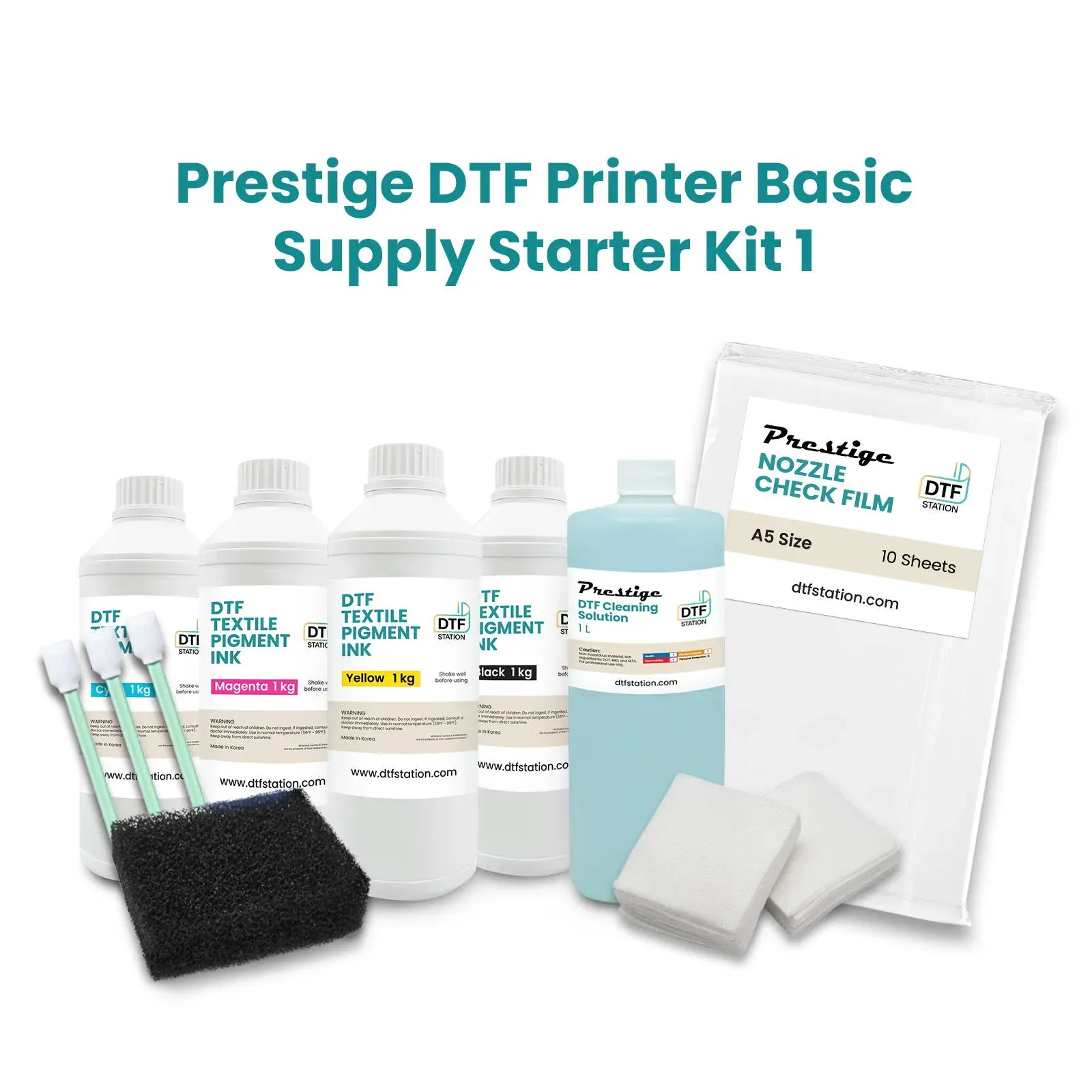
DTF Supplies play a vital role in revolutionizing the world of custom apparel, particularly through the innovative digital transfer printing technique known as Direct-to-Film (DTF). This method stands apart due to its ability to deliver high-quality, detailed prints on various fabrics, quickly becoming a preferred choice among both hobbyists and budding entrepreneurs. With a DTF printer, transfer films, and the right supplies, anyone can dive into the exciting realm of DTF printing, creating unique designs that stand out. The process not only involves printing but also requires essential tools like a heat press machine to transfer your artwork seamlessly onto garments. As the demand for personalized clothing continues to rise, understanding the essentials of DTF supplies becomes indispensable for those looking to make their mark in the apparel industry.
When exploring the landscape of digital fabric printing, one may encounter terms like Direct-to-Film, or DTF for short, which signify a modern method of applying designs onto textiles. This innovative approach streamlines the process of customizing garments by utilizing specialized printers and unique transfer films that enhance the quality of prints. The DTF printing system integrates seamlessly with key equipment such as heat transfer machines, enabling consumer-friendly applications for creating personalized apparel. This technology not only opens doors to vibrant prints but also provides an excellent avenue for entrepreneurs seeking to break into the custom clothing market. By tapping into these supply essentials, both beginners and experienced crafters can enjoy the benefits of DTF printing while maintaining a competitive edge.
Understanding the Basics of DTF Printing
Direct-to-Film (DTF) printing has emerged as a revolutionary technique in the world of custom apparel. This printing method diverges from traditional outputs by allowing designs to be printed directly onto a specialized film, which is then heat-transferred to the fabric. With DTF printing, vibrant colors and intricate details can be achieved, making it an exciting option for apparel designers and hobbyists alike. The process starts with creating stunning, vector-based artwork that can capture the eye. Once printed, the designs undergo an adhesive application and are carefully heat-pressed onto the desired material.
As DTF printing has gained popularity, understanding the fundamental aspects of this method is crucial for anyone interested in venturing into this field. Notably, this technique's ability to work with various fabric types—ranging from cotton to polyester and blends—affirms its versatility. Additionally, the ease of DTF printing allows newcomers to quickly grasp the necessary skills and techniques, enabling them to create professional-quality designs for an array of custom apparel projects.
Essential DTF Supplies for Successful Printing
Embarking on your DTF printing journey requires a keen awareness of the essential supplies that will facilitate your success. A dedicated DTF printer is paramount; these printers are designed to work with the specific inks and films required for high-quality output. Quality transfer film is another critical item on your supply list, as it serves as the basis for your printed designs. Different films cater to different types of fabric, so choosing the correct one is essential in achieving the desired look and feel of your finished product.
Additionally, the use of adhesive powder plays a significant role in the DTF printing process. This powder allows your vibrant inks to adhere to the fabric effectively when heat is applied, ensuring designs remain intact during washing and wearing. The heat press machine also cannot be overlooked, as it’s integral to transferring your designs from the transfer film to the fabric. Understanding how each of these supplies works in conjunction will greatly enhance your printing experience and output.
The DTF Printing Process Explained
The DTF printing process is composed of several key steps, each of which plays a vital role in producing stunning designs. First, you begin by creating your artwork, ensuring it is compatible with DTF printing. Using vector-based designs is typically recommended, as they translate well onto transfer films. Following this, you'll print the design onto the transfer film using your DTF printer, taking care to print in reverse to ensure the correct orientation when applied to the fabric.
After the printing step, the application of adhesive powder is crucial. This powder must be generously sprinkled over the wet ink to create a binding effect once heat is introduced during the transfer process. Following the application of adhesive, the next step involves curing the film, which solidifies the bond between the ink and the adhesive before the final heat pressing occurs. Each step in this process is essential to ensure that the final product is not only visually appealing but also durable and long-lasting.
Why Opt for DTF Printing for Custom Apparel?
Choosing DTF printing brings numerous advantages that can elevate your custom apparel creations. One of the standout benefits is its versatility; DTF printing can be applied to various fabric types, including cotton, blends, and synthetic materials, making it suitable for a wide range of clothing items—from t-shirts to hoodies and bags. Furthermore, the longevity of DTF prints is exceptional, often enduring multiple washes without fading or peeling, ensuring your designs remain vibrant and intact.
Additionally, DTF printing is celebrated for its ability to produce vibrant colors and precise details, attributes that are crucial in the competitive world of custom apparel. Unlike traditional printing methods, DTF allows for intricate designs that portray depth and clarity, enhancing the overall aesthetic appeal of the garments. These factors combined make DTF printing a preferred choice for entrepreneurs and creatives looking to make their mark in the custom apparel industry.
Top Tips for Beginners in DTF Printing
For those just starting in DTF printing, certain tips can significantly improve your experience and results. Firstly, it’s essential to invest in quality supplies. Choosing high-grade DTF printers, films, and adhesive powders will greatly influence the quality of your final products. While it may be tempting to save costs, purchasing subpar supplies can lead to disappointing results and increased frustration.
Another vital tip for beginners is to be prepared to experiment. The optimal settings for heating time, temperature, and pressure can vary between fabric types. Don't hesitate to run tests to find the perfect combinations that yield the best results. Regular maintenance of your DTF printer and heat press ensures these machines remain in good working order, which is key to ongoing successful printing. By following these tips, beginners can develop their skills and produce visually stunning custom apparel with ease.
Frequently Asked Questions
What are the essential DTF supplies needed for digital transfer printing?
To start with DTF printing, you will need key supplies including a dedicated DTF printer, transfer film, adhesive powder, a heat press machine, and a curing oven. These items ensure high-quality prints and successful transfers to fabric.
How does the DTF printing process work?
The DTF printing process involves several steps: designing your artwork, printing it on transfer film with a DTF printer in reverse, applying adhesive powder, curing the film, and finally using a heat press machine to transfer the design onto your chosen fabric.
Why should I choose DTF supplies for custom apparel printing?
DTF supplies are preferred for custom apparel printing due to their versatility across various fabrics, durability of prints, vibrant colors, and ease of use. This makes DTF printing an excellent choice for creating detailed and long-lasting designs.
Can I use any printer for DTF printing?
No, you need a specialized DTF printer that uses specific inks and technology designed for digital transfer printing. This ensures that the prints are vibrant, detailed, and adhere properly to the fabric.
What types of fabrics are compatible with DTF printing?
DTF printing is compatible with a wide range of fabrics including cotton, polyester, and blends. This versatility allows for the customization of various garments such as t-shirts, hoodies, and bags.
How do I maintain my DTF printer and heat press machine?
To maintain your DTF printer and heat press machine, follow the manufacturer's maintenance guidelines. Regularly clean printers to prevent clogs and ensure optimal performance, and check heat press settings to maintain consistent quality in every print.
| Essential DTF Supplies | Description |
|---|---|
| DTF Printer | A specialized printer that uses specific inks for DTF printing, essential for producing high-quality designs. |
| Transfer Film | The base material where designs are printed before being transferred to fabric. It comes in various types and sizes. |
| Adhesive Powder | Used over printed designs to ensure ink adheres to fabric when heat is applied, essential for durability. |
| Heat Press Machine | Applies heat and pressure to transfer designs from the film to fabric effectively. |
| Heating Element or Curing Oven | Used to cure adhesive powder, enhancing the bond between ink and adhesive for durability. |
Summary
DTF Supplies are integral to the world of custom apparel printing, allowing creators to produce stunning, long-lasting, and vibrant designs. This beginner's guide encapsulates everything a novice needs to smoothly embark on their DTF printing journey. With the right supplies—ranging from specialized printers to high-quality transfer films and adhesive powders—anyone can capture the power of personalized design. The straightforward DTF process, combined with its versatility across various materials, makes it an attractive option for both hobbyists and businesses alike. As you take these initial steps into the world of DTF printing, remember, investing in quality and understanding the nuances of your supplies will set the stage for success.