
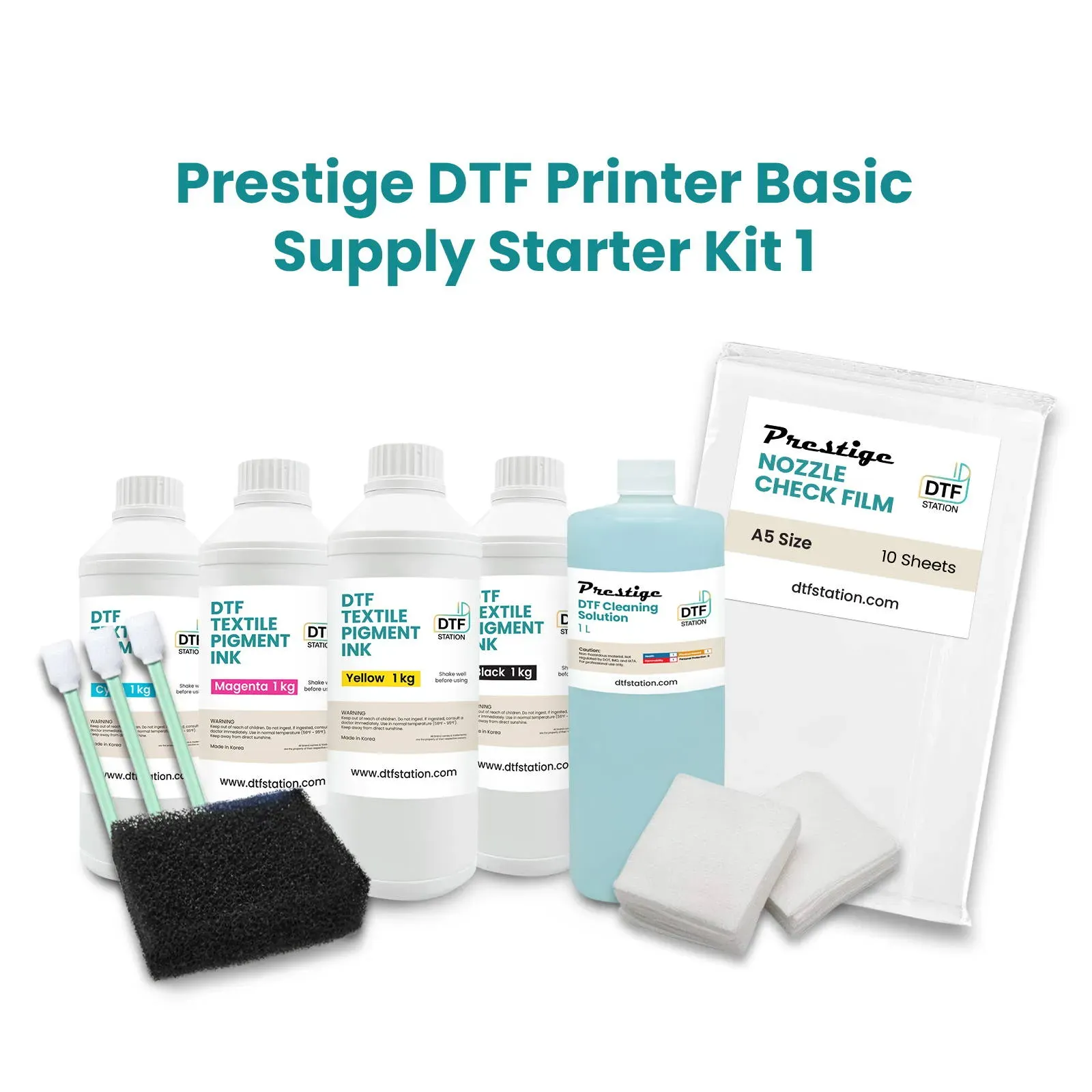
If you’re looking to dive into the vibrant world of custom apparel printing, understanding the essentials of **DTF supplies** is the first step to your success. Direct to Film (DTF) technology has revolutionized the way we print designs, allowing for crisp graphics and vivid colors on various fabrics. Entering this niche requires more than just creativity; you’ll need the right tools, such as a high-quality **DTF printer**, specialized **film sheets**, reliable **DTF inks**, and the crucial **adhesive powder** to make your designs stick seamlessly. With the proper **heat press** to ensure durability and fidelity in your prints, you can transform your artistic visions into stunning wearable masterpieces. In this guide, we’ll explore everything you need to know about DTF supplies, from equipment to best practices, setting you on the path to becoming a successful DTF printer.
The realm of Direct to Film (DTF) printing supplies encompasses a variety of tools and equipment necessary for effective fabric printing. From specialized film rolls to environmentally friendly printing inks, each element plays a pivotal role in the transfer process. This innovative printing method involves transferring designs onto fabrics using heat-activated adhesives and precise printing techniques. If you’re venturing into custom textile production or apparel decoration, understanding these materials—often referred to as DTF equipment and consumables—will significantly enhance your printing quality and efficiency. Let’s uncover the key components needed to kickstart your journey into DTF printing.
Understanding the DTF Printing Process
DTF printing, or Direct to Film printing, is a transformative method in the realm of custom apparel printing. This process allows for vibrant designs to be printed directly onto a special film material, rather than directly onto the fabric itself. Once a design is printed on this film using a DTF printer, it is then heat-pressed onto the fabric, achieving a durable and high-quality transfer. The ability to print on various types of fabrics, including cotton and polyester, has made DTF printing a favored choice for businesses and hobbyists alike.
What sets DTF printing apart from other techniques such as Direct to Garment (DTG) printing or screen printing is its versatility and efficiency. The process involves specific supplies like DTF inks and adhesive powder, which play crucial roles in ensuring that colors are bright and transfers are long-lasting. Understanding the interplay between the DTF printer, heat press, and film sheets is essential for anyone looking to dive into this innovative printing style.
Essential Supplies for DTF Printing Success
When embarking on your DTF printing adventure, having the right supplies is paramount. The core items include a dedicated DTF printer that utilizes specialized DTF inks, which are designed for maximum vibrancy and adherence to various fabric types. Additionally, film sheets are crucial as they serve as the substrate onto which your designs are printed. These sheets must be compatible with your chosen printer to ensure optimal results.
As important as the printer and film sheets are, the heat press machine cannot be overlooked. It is this piece of equipment that ensures the design adheres properly to the fabric at the right temperature and pressure. Pairing a quality heat press with reliable adhesive powder guarantees that your prints remain intact even after multiple washes, making it vital to consider these supplies when planning your DTF printing setup.
Choosing the Right DTF Printer
Selecting the right DTF printer is one of the most significant decisions you will make in your printing journey. Various printers on the market cater specifically to DTF applications, providing features designed to work with DTF inks and films. Brands like Epson and Roland are popular among professionals for their reliability and print quality. It’s crucial to consider the printer’s speed, ink capacity, and the range of fabrics it can accommodate to match your personal or business needs.
For those looking to tweak existing setups, modifying an inkjet printer can be a feasible alternative. However, keep in mind that such modifications can come with challenges regarding compatibility with DTF supplies. Thus, investing in a dedicated DTF printer is often the best way to ensure smooth operations, especially for those new to this printing method.
Understanding DTF Inks and Their Importance
DTF inks are specially formulated to achieve vibrant colors and excellent adhesion when applied to various fabrics. Unlike traditional inks, these water-based formulations offer better coverage and a more environmentally friendly option for printing. The choice of DTF inks is paramount as they interact directly with adhesive powder during the transfer process, influencing the overall quality and lifespan of your prints.
Using high-quality inks specifically designed for DTF printing doesn’t just enhance color vibrancy; it also ensures that your designs are durable and can withstand the rigors of washing and wearing. Investing in premium DTF inks will help produce stunning results that lead to satisfied customers and successful projects.
The Role of Adhesive Powder in DTF Printing
Adhesive powder is a fundamental component of the DTF printing process, acting as the glue that binds the printed design to the fabric. This powder is sprinkled over the printed film sheet, allowing it to adhere properly during the heat pressing stage. The amount of adhesive powder used can dramatically affect the quality and durability of the final print, making it imperative to experiment to find the optimal quantity for your specific applications.
Additionally, the choice of adhesive powder can vary depending on the type of fabric you are working with. Some powders are designed for use with specific materials, enhancing the adhesion process and ensuring a long-lasting finish. As with other supplies, understanding the characteristics of the adhesive powder you choose is essential for achieving success in your DTF printing endeavors.
Best Practices for DTF Printing
To excel in DTF printing, practitioners should adhere to a set of best practices that can significantly influence the quality of the final product. First and foremost, it’s vital to experiment with different materials, including a variety of fabrics such as cotton, polyester, and blends. Each type of fabric may respond differently to the DTF process, influencing color vibrancy and adhesion. Testing is crucial for discovering the settings that work best with your chosen materials.
Moreover, engaging with learning resources such as tutorials or online courses can dramatically enhance your skills and understanding of DTF printing. The complexity of settings for DTF printers, heat presses, and the application of Different supplies requires ongoing education to streamline the process and improve output quality. Building connections with a community of DTF printing enthusiasts can also provide support and insights to refine your approach.
Frequently Asked Questions
What essential DTF supplies do I need to start DTF printing?
To start DTF printing, you need a DTF printer, heat press machine, film sheets, DTF inks, and adhesive powder. These supplies are crucial for producing high-quality prints and ensuring proper adhesion to fabrics.
How do DTF inks differ from regular inks?
DTF inks are specifically formulated for use in DTF printing. Unlike regular inks, they allow for vibrant colors and excellent coverage on various fabric types. It's important to use DTF inks compatible with your DTF printer for optimal results.
What role do film sheets play in the DTF printing process?
Film sheets are a critical component of DTF printing as they serve as the medium onto which your design is printed. These specialized PET film sheets ensure that the DTF inks adhere properly during the printing process, allowing for effective heat transfer onto fabrics.
Can I use my existing printer for DTF printing or do I need a DTF printer?
While it's possible to modify some inkjet printers for DTF printing, investing in a dedicated DTF printer is recommended for convenience and compatibility. DTF printers are designed to handle DTF inks and film sheets effectively, ensuring better print quality.
Why is an adhesive powder necessary in DTF printing?
Adhesive powder is applied over the printed film before transferring to fabric. It plays a crucial role in securing the design during the heat press process and affects the durability and quality of the final print. Proper use of adhesive powder is key to successful DTF applications.
What types of fabrics can I use with DTF printing supplies?
DTF printing is versatile and works well with a variety of fabric types, including cotton, polyester, and blends. This allows you to experiment with different materials to achieve the desired results in your custom apparel printing projects.
| Supplies | Description |
|---|---|
| DTF Printer | Essential for printing designs onto film. Dedicated printers like Epson and Roland are recommended. |
| Heat Press Machine | Used to adhere the design to fabric. Look for programmable temperature and pressure settings. |
| Film Sheets | Specialized PET sheets coated for ink adhesion, available in various sizes. |
| DTF Inks | Water-based inks that deliver vibrant colors and are environmentally friendly. |
| Adhesive Powder | Applied to film for effective adherence of designs during the heat transfer. |
| Cleaning Kits | For maintaining print heads and preventing clogging. |
| Additional Supplies | Heat-resistant tape, protective paper, and diverse fabric for testing. |
Summary
DTF supplies are crucial for anyone eager to dive into the world of custom apparel printing. With a thorough understanding of the essential equipment and materials needed, including the DTF printer, heat press, film sheets, and inks, you are well-equipped to start your journey. The DTF printing process allows for vibrant, high-quality designs that can be easily transferred onto various fabrics, making it an exciting option for both new and experienced printers. By ensuring you have all the necessary DTF supplies, following best practices, and engaging with the community, you will unlock the full potential of this innovative printing technology.