
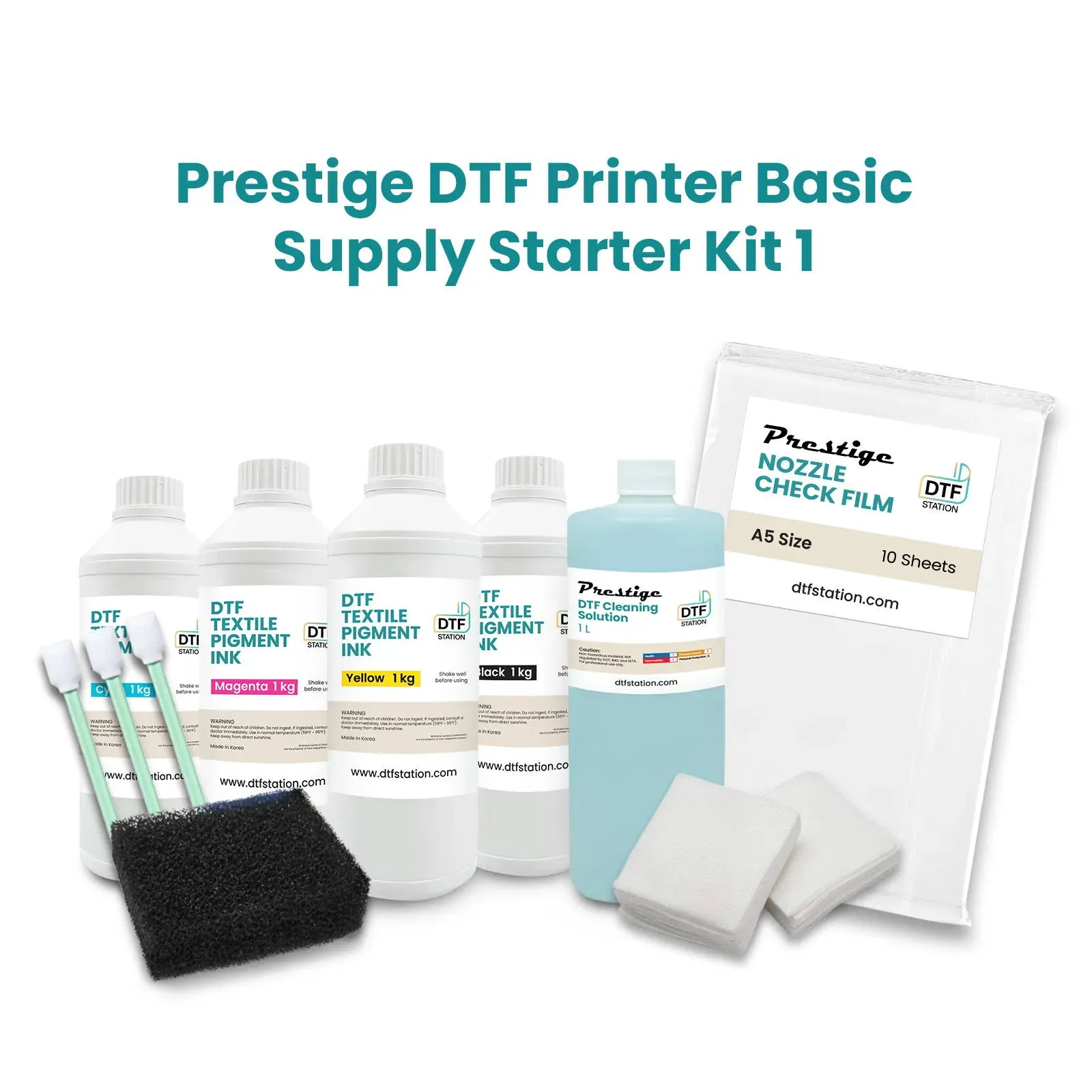
DTF Supplies are revolutionizing the world of custom apparel with their innovative approach to direct-to-film printing. This cutting-edge printing technology involves transferring designs onto specially coated films, which are then applied to various fabrics using heat and pressure. By utilizing high-quality DTF inks, businesses can achieve vibrant colors and impressive durability, ensuring that their prints remain intact even after multiple washes. With the right heat press for DTF applications, achieving superior print quality becomes effortless, making it essential for anyone looking to excel in the competitive printing market. Understanding the significance of DTF supplies is crucial for those aiming to harness the full potential of this transformative printing method.
Direct-to-Film printing (often referred to as DTF printing) has emerged as a key player in modern printing technologies, specifically in the custom garment sector. This method allows for exceptional image transfers onto fabric using specialized films and precise heat application, which guarantees high fidelity and durability of prints. As demand increases, an array of supplies including DTF inks, transfer films, and adhesive powder have become pivotal in this process, catering to a wide scope of materials from cotton to blends. The versatility of these supplies makes them ideal for a range of applications, appealing to both small businesses and larger enterprises looking to innovate. By exploring the essentials of DTF supplies, print shops can better meet the evolving needs of their clientele.
Understanding DTF Printing Technology
Direct-to-Film (DTF) printing is a revolutionary approach that has transformed the custom apparel landscape. By utilizing a specialized coated film to carry designs which can then be heat transferred onto various fabrics, this technology has made significant strides over traditional methods. The use of DTF inks—formulated specifically for vibrant, durable prints—ensures that every design remains bright and intact over multiple washes. This printing technology capitalizes on advancements in ink formulation and film production, providing a solution that not only meets the demands of quality but also satisfies the versatility required in modern apparel printing.
The precision of DTF printing technology lies in its ability to produce detailed images that adhere seamlessly to fabric surfaces. As it allows printers to output high-resolution designs with intricate details, it caters to a broad market, from individual creatives looking to showcase their artistry to businesses aiming for mass production. By leveraging the advancements in film and ink technology, DTF printing is set to lead the future of digital printing, offering a compelling option for those seeking both aesthetic appeal and functionality.
Essential Components of DTF Supplies
To successfully engage with DTF printing, understanding the essential components of DTF supplies is imperative. The first critical item is DTF inks, which are specifically designed to perform well on coated transfer films, providing the rich colors and flexibility that modern designs demand. Additionally, transfer films, which act as the foundation for the printed design, come in various types to accommodate different fabric materials. This means that depending on whether the end product is intended for light or dark textiles, a suitable film must be selected to ensure optimal adhesion and print quality.
Moreover, the use of adhesive powder is another key element. This powder ensures that the design adheres to the chosen fabric during the heat transfer process. Without it, there’s a risk that the printed artwork may peel or degrade, leading to subpar quality outcomes. Finally, a reliable heat press is crucial for applying the correct combination of heat and pressure. These components collectively define the framework of successful DTF printing operations—each has a role that significantly impacts the overall print quality and durability.
Exploring DTF Inks for Superior Print Quality
DTF inks are at the heart of any successful direct-to-film printing operation. Formulated to maximize vibrancy and ensure longevity, these specific inks deliver bright colors that enhance the aesthetic appeal of printed garments. Their exceptional wash resistance prevents designs from fading, even after multiple washes; a quality highly desired in the custom apparel market. By employing a unique blend of pigments, DTF inks not only provide durability but also flexibility, allowing for designs that feel soft against the skin, which enhances wearer comfort.
The performance of DTF inks plays a fundamental role in the overall appeal of printed textiles. For businesses looking to maintain a competitive edge, investing in high-quality inks can elevate the final product, establishing a reputation for excellence among customers. Furthermore, advancements in ink technology mean that newer formulations are becoming increasingly eco-friendly, reducing harmful environmental impacts while still achieving high performance. As such, selecting the right DTF inks is not just a matter of preference but a strategic business decision for those in the printing industry.
The Importance of Transfer Films in DTF Printing
Transfer films are an indispensable component of the DTF printing process, serving as the medium through which designs are transferred onto fabric. These films are engineered with a specialized coating that enables excellent ink absorption and adhesion, critical for producing high-quality prints. The choice of transfer film can vary based on the type of fabric being printed on, making it essential for print providers to understand the specific requirements of their intended applications to ensure compatibility and optimal results.
In addition to their adherence capabilities, transfer films come in different thicknesses and finishes, allowing for a variety of visual effects on the final product. For example, some films may offer a matte finish for a subtle aesthetic, while others might deliver a glossy sheen; both choices can significantly influence the final look of the printed item. Given the pivotal role transfer films play in the DTF printing process, ensuring the right type is selected can drastically affect print outcomes, making it a vital consideration in any DTF supply inventory.
How Adhesive Powder Enhances DTF Printing
Adhesive powder is a crucial element in DTF printing, playing a significant role in ensuring that designs are securely transferred from the film to the fabric. After applying the printed design to the transfer film, the adhesive powder is sprinkled over the wet ink, allowing it to bond effectively during the heat transfer process. This step is essential, as it enhances the adhesion of the printed image, ensuring longevity and vibrancy that withstands regular wear and washing. A quality adhesive powder can make the difference between a successful print and one that deteriorates quickly.
Furthermore, the right adhesive powder allows for a smoother application, minimizing issues such as peeling or cracking of the print over time. This contributes to the overall quality of the product and boosts customer satisfaction for businesses leveraging DTF printing technology. As manufacturers of DTF supplies continue to innovate, adhesives are becoming more specialized to work with various fabric types, enhancing the versatility of DTF printing across a broader range of applications.
The Role of Heat Press in Successful DTF Printing
The heat press is a pivotal piece of equipment in the DTF printing workflow, ensuring the effective transfer of designs from transfer films to fabrics. Operating at precise temperatures and applying consistent pressure, a good heat press can significantly impact print quality. Advanced models offer programmable settings, allowing users to adjust time and temperature to suit specific transfer needs. This fine-tuning is crucial to avoid under or over-pressing, which can lead to subpar results.
Not only does a quality heat press ensure successful transfers, but it also increases productivity by providing faster and more reliable results, particularly important for businesses dealing with high-volume orders. With the growing popularity of DTF printing, investing in a top-notch heat press becomes paramount for achieving a professional finish, ensuring that designs maintain their vibrancy and durability throughout the life of the garment.
Frequently Asked Questions
What are the essential DTF supplies needed for DTF printing?
To successfully engage in DTF printing, you need several essential DTF supplies, including DTF inks, transfer films, adhesive powder, and a heat press machine. Each of these components plays a vital role in ensuring quality prints and efficient operation.
How do DTF inks differ from traditional inks used in printing?
DTF inks are specially formulated pigment inks designed for direct-to-film printing. Unlike traditional ink, DTF inks offer vibrant colors, flexibility, and enhanced durability, making them ideal for apparel that requires long-lasting prints.
Can I use any heat press for DTF printing?
While you can use general heat presses for DTF printing, it is recommended to choose a reliable heat press that allows for precise control of temperature and pressure. This ensures optimal adhesion of your designs during the heat transfer process.
Why is the quality of DTF supplies important for print quality?
The quality of DTF supplies directly influences the vibrancy, durability, and softness of the prints. High-quality DTF inks, transfer films, and adhesive powders contribute to producing visually striking, long-lasting designs that resonate with consumers.
What types of fabrics can I use with DTF printing?
DTF printing is versatile and can be used on various fabric types, including cotton, polyester, and blends. This flexibility allows businesses to print on a wide range of products, from t-shirts to bags, expanding potential applications.
How does DTF printing compare to traditional screen printing in terms of cost efficiency?
DTF printing is generally more cost-efficient than traditional screen printing, especially for short production runs. It involves lower setup costs and is suitable for custom prints, making it an attractive option for small businesses and print shops.
| Key Supplies | Description |
|---|---|
| DTF Inks | Specially formulated pigments that provide vibrant colors and durability for various fabrics. |
| Transfer Films | Coated films that facilitate proper ink adherence and are available for different fabric types. |
| Adhesive Powder | Enhances the adhesion of prints to fabrics during heat transfer, ensuring longevity and durability. |
| Heat Press | Applies heat and pressure necessary for transferring designs from film to fabric, crucial for quality results. |
Summary
DTF Supplies are essential for anyone looking to excel in the increasingly competitive digital printing market. With their remarkable versatility, cost-effectiveness, and ability to produce high-quality prints, DTF supplies represent a vital investment for businesses looking to enhance their product offerings. As the technology evolves, companies that prioritize these supplies will not only meet but exceed consumer demands, thus securing their positions at the cutting edge of the printing industry.