
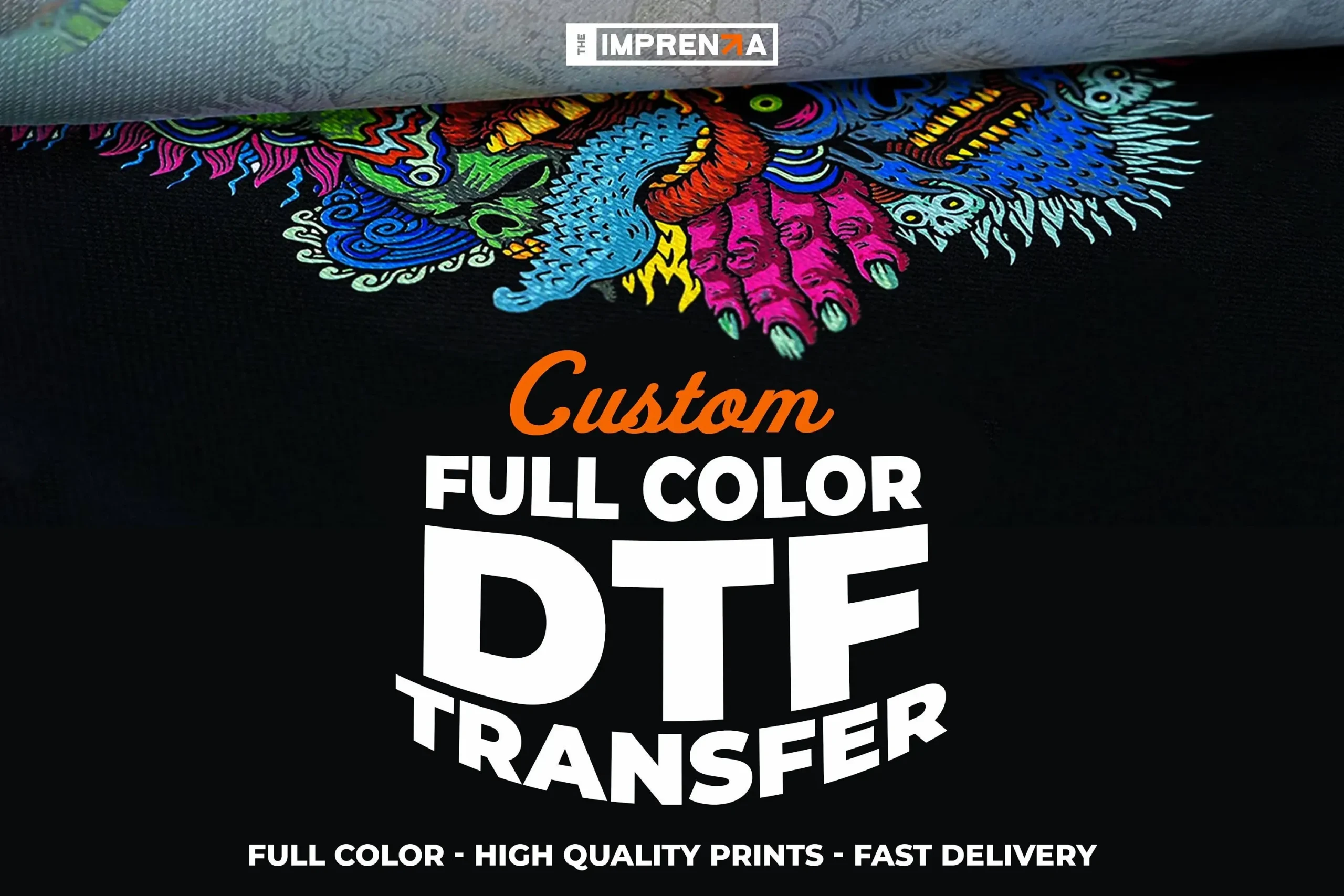
DTF transfers, short for Direct to Film transfers, are revolutionizing the fabric printing landscape with their innovative approach to design application. This cutting-edge technology employs a unique DTF printing process that allows vibrant and intricate designs to adhere seamlessly to a variety of fabrics. One of the key advantages of DTF transfers is their ability to produce high-quality prints that maintain clarity and color depth, surpassing traditional methods. As more businesses and DIY enthusiasts discover the benefits of DTF transfer techniques, the demand for this versatile printing solution continues to grow. In this guide, we will delve into the specifics of the DTF printing process, explore its numerous advantages, and answer your most pressing questions about this dynamic technology.
Known for its prowess in fabric decoration, Direct to Film printing offers a modern solution to transferring designs onto materials with exceptional quality and durability. This innovative method utilizes specialized films and heat transfer to create detailed graphics that cater to both casual creators and professional enterprises. Many artists and entrepreneurs are now embracing this technique, attracted by the myriad of DTF printing advantages, such as cost-effectiveness and versatility across fabric types. With the increasing popularity of heat transfer designs, understanding the fundamentals of this printing method is essential for anyone looking to elevate their creative projects. Let's explore how this direct to fabric process can enhance your custom textile creations.
Understanding the DTF Printing Process
The DTF printing process is a revolutionary method that allows for the transfer of intricate and colorful designs onto various fabrics. It begins with a specialized printer that prints the desired design onto a polyethylene film using DTF-specific inks. Once the design is complete, an adhesive powder is sprinkled over the wet ink. This crucial step enhances the bond between the ink and fabric during the heat transfer process. After the ink and adhesive are set, the film is cured in an oven, making the adhesive tacky and ready for application on fabrics.
The finalized film is then placed on the chosen fabric, and a heat press is used to apply pressure and heat, facilitating the transfer of the ink to the material. This method is particularly effective on a variety of fabrics, including those that are light, dark, or blended. The precision of the DTF printing process ensures vivid color reproduction, making it an essential choice for designers looking to produce high-quality apparel and merchandise.
Frequently Asked Questions
What materials can DTF transfers be used on?
DTF transfers are incredibly versatile and can be applied to a variety of fabrics including cotton, polyester, and blends. This adaptability allows DTF printing to be used on both light and dark materials, making it suitable for a wide range of projects.
How does the DTF printing process differ from other methods?
The DTF printing process differs significantly from methods like Direct to Garment (DTG) and screen printing. Unlike DTG, which prints directly on the fabric, DTF works by printing designs onto a special film first. This allows DTF to handle complex graphics and produce vibrant, detail-rich images more effectively than traditional screen printing.
Are DTF prints durable for everyday wash and wear?
Yes, DTF prints are designed to be highly durable, maintaining their quality through regular washing. When applied and cared for correctly, DTF transfers resist fading and cracking, making them ideal for apparel that withstands daily use.
What are the advantages of using DTF printing techniques?
The DTF printing advantages include versatility in material compatibility, the ability to produce vibrant and intricate designs, a cost-effective production process compared to methods like DTG and screen printing, and durability for long-lasting wear.
Can I use DTF transfers for small runs or custom apparel?
Absolutely! DTF printing is particularly beneficial for small batch runs as it allows for customization without needing large quantities typical of screen printing. This flexibility is ideal for small businesses or individual creators looking to produce custom designs.
What equipment is needed to get started with DTF printing?
To start with DTF printing, you'll need a quality DTF printer, specialized DTF film, appropriate inks, and adhesive powder to ensure high-quality transfers. Investing in the right equipment and materials is crucial for achieving the best printing results.
| Key Point | Description |
|---|---|
| What is DTF Printing? | Direct to Film (DTF) printing is a method that transfers designs onto fabric via a special film using heat, suitable for various fabrics. |
| Process Steps | 1. Printing the design on film 2. Applying adhesive powder 3. Curing the film 4. Heat transfer to fabric. |
| Advantages of DTF Transfers | 1. Versatility with multiple fabrics 2. High-quality prints 3. Cost-effective 4. Durable designs. |
| Common Questions | Can be used on various materials, withstand washing, differences from other techniques, suitable for small runs. |
| Considerations for Getting Started | Equipment needs, learning curve, costs of materials, proper setup and environment are crucial for success. |
Summary
DTF transfers are revolutionizing the fabric printing industry by offering a user-friendly and cost-efficient solution for high-quality prints. This technology allows users to achieve vibrant and detailed designs on various fabrics, making it versatile for both personal and commercial use. Understanding the DTF process, its advantages, and important considerations can greatly enhance the printing experience. As DTF transfers become increasingly popular, embracing this innovative method will open new creative avenues for businesses and enthusiasts alike.