
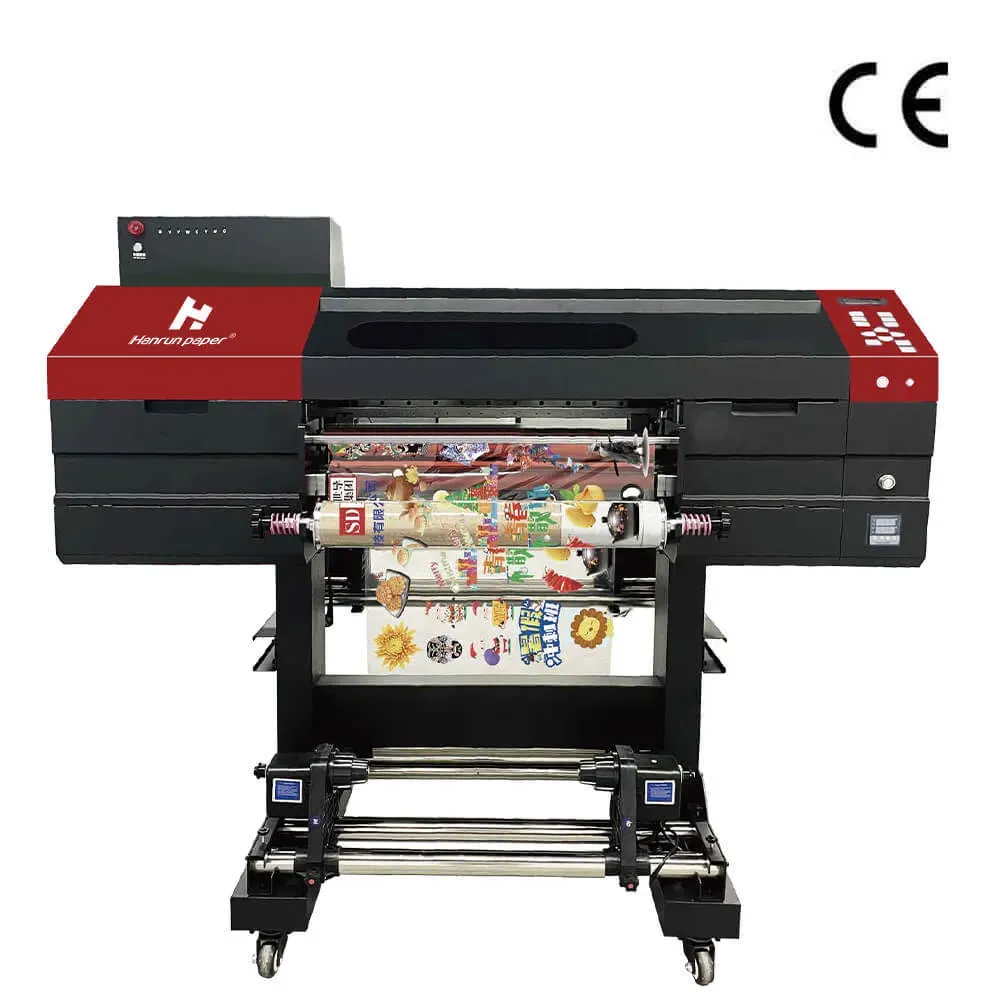
UV DTF printing, short for Ultra Violet Direct to Film printing, is revolutionizing the printing industry with its cutting-edge technology and numerous benefits. This advanced printing technique combines the efficiency of Direct to Film methods with the curing magic of ultraviolet light, resulting in vibrant print quality and exceptional durability across a vast array of materials. As businesses increasingly look for innovative custom printing solutions, UV DTF stands out due to its versatility, allowing prints on fabrics, plastics, metals, and even glass. The future of printing technology is bright with UV DTF's rapid production capabilities and sustainable practices, addressing both market needs and environmental concerns. Join us as we explore the remarkable advantages of UV DTF, including its impact on efficiency, customization, and the burgeoning trends shaping the future of printing.
Known alternatively as Ultra Violet Direct to Film technology, this innovative printing method merges traditional direct film techniques with the advanced curing capabilities of UV light. By harnessing these state-of-the-art applications, businesses can achieve stunning prints on a variety of surfaces, from textiles to hard materials, dramatically enhancing their product offerings. As industries seek to incorporate advanced custom printing solutions, this technique is becoming increasingly popular not just for its exceptional print quality but also for its rapid production speed and durability. With the growing emphasis on sustainability, this printing method is adapting to utilize eco-friendly materials that meet consumer demands for greener options. The evolution of DTF printing into the realm of UV technology signifies a pivotal movement towards the future of printing technology, poised to transform the way we create printed materials.
Understanding the Mechanics of UV DTF Printing
UV DTF printing is revolutionizing the way print jobs are executed by combining advanced technologies. At its core, UV DTF relies on ultraviolet light to cure inks as they are laid down on various substrates. Unlike traditional direct-to-film methods which may struggle with adherence on non-porous materials, UV DTF takes advantage of the curing process that solidifies the ink almost immediately, ensuring a strong bond. This technical superiority allows businesses to print consistently on an extensive range of surfaces, including hard plastics, metals, and even intricate wooden pieces.
Moreover, the unique composition of UV inks provides vibrant, high-fidelity colors that stand out in the marketplace. The printing process itself allows for a greater level of detail and precision, catering to versatile design needs—from signage to promotional materials. As companies evolve to adopt UV DTF printing, they not only enhance their product offerings but also improve overall operational efficiency due to reduced production times.
Key Benefits of UV DTF Technology
The advantages of UV DTF printing extend beyond aesthetic qualities; it fundamentally transforms production capability for businesses. A primary benefit is that UV DTF prints are exceptionally durable, making them resistant to fading, scratching, and moisture. This durability is particularly important for outdoor signage or products that undergo frequent handling, thereby reducing the need for frequent replacements. Businesses benefit from longer-lasting products that can endure the rigors of everyday use, subsequently leading to higher customer satisfaction and loyalty.
In addition to durability, the UV DTF printing process is known for its remarkable speed. Traditional printing methods often involve lengthy setup and drying times, which can delay production schedules. With UV DTF, the near-instant curing allows for rapid job turnarounds, ultimately increasing throughput and profitability. Companies can capitalize on quicker project completions, which is especially beneficial in high-demand scenarios where timeliness directly correlates with sales performance.
Exploring the Versatility of UV DTF Printing
One of the most impressive aspects of UV DTF printing is its versatility across different materials and applications. Businesses can utilize this technology to produce a diverse array of products—from personalized gifts to intricate packaging solutions. This flexibility ensures that companies can meet the specific preferences of their customers, whether they require printed apparel, custom promotional items, or complex industrial parts. The capability to print on varied substrates opens up a world of possibilities and encourages creativity in product development.
Furthermore, the ability to easily switch between substrates without the need for extensive reconfiguration makes UV DTF an economical choice for print shops that cater to varied client demands. Customization is king in today's market, and UV DTF technology empowers businesses to offer tailored solutions, effectively enhancing customer engagement and reducing dependency on single-use or one-size-fits-all products. Such adaptability not only increases revenue potential but also creates unique selling propositions in a competitive landscape.
The Drive for Sustainability in UV DTF Printing
As environmental awareness rises, so does the demand for sustainable printing practices, and UV DTF technology is rising to meet this challenge. Manufacturers are increasingly adopting eco-friendly inks and materials that comply with environmental regulations while ensuring quality and performance. By focusing on sustainability, companies can appeal to a growing demographic of environmentally conscious consumers, thereby enhancing their brand image and loyalty.
Additionally, sustainable practices in UV DTF printing can significantly reduce waste and energy consumption. With advancements in printer technology and ink formulations, businesses are moving toward closed-loop systems that minimize the ecological footprint of their operations. This commitment to eco-conscious production not only aligns with corporate responsibility goals but also sets a benchmark for industry standards, furthering the acceptance of UV DTF printing as a green alternative in the printing world.
Current Market Trends Impacting UV DTF Printing
The UV DTF printing market is evolving with notable trends that shape its future trajectory. One significant trend is the increasing consumer demand for personalized products. Customization has become a priority for brands that wish to resonate with their target audience, and UV DTF printing facilitates this by enabling intricate designs and small batch orders without the steep costs typically associated with customization.
Additionally, technological advancements driven by artificial intelligence and automation are beginning to permeate the UV DTF landscape. These innovations are streamlining production processes, reducing errors, and enhancing overall efficiency. As businesses leverage these emerging technologies, we can anticipate improvements in quality outputs and operational efficiency, which in turn can elevate consumer satisfaction and brand reputation.
The Future Prospects of UV DTF Technology
Looking to the future, UV DTF technology promises to continue its evolution with enriched capabilities driven by ongoing research and development. One potential advancement on the horizon is the formulation of inks with enhanced vibrancy and durability, which may include properties tailored for specific industries, such as antimicrobial features for health-related products. This continual innovation is likely to attract more businesses to adopt UV DTF, seeking to stay ahead in a competitive printing market.
Moreover, as sustainability becomes a central pillar in selecting printing methods, we can expect increased focus on developing eco-friendly materials that uphold the integrity and quality of printed products. The rise of environmentally conscious inks and production practices positions UV DTF printing as not simply a trend, but rather a vital component of the future landscape of printing technology, paving the way for more responsible and innovative practices in the industry.
Frequently Asked Questions
What is UV DTF printing technology and how does it work?
UV DTF printing (Ultra Violet Direct to Film printing) combines direct-to-film printing with UV light curing, allowing high-quality prints on various substrates like plastics, glass, and metals. The UV light cures inks instantly, providing vibrant colors and fine details while enhancing production efficiency.
What are the major benefits of UV DTF printing for businesses?
The benefits of UV DTF printing include superior durability, high-speed production, versatility in materials, and sustainability. Prints produced through this technology are resistant to scratches and fading, enabling businesses to meet quality demands and expand their product offerings efficiently.
How does UV DTF printing compare to traditional printing methods?
Unlike traditional printing methods, UV DTF printing offers faster curing times, allowing quicker job completion without quality loss. It can print on a wider array of materials, making it a versatile choice compared to conventional methods that may be limited to fabrics or paper.
What types of materials can be printed using UV DTF technology?
UV DTF printing is highly versatile and can print on a variety of materials including plastics, wood, metals, glass, and even fabric. This adaptability allows businesses to create custom products like signage, promotional items, and personalized gifts.
What future trends can we expect in UV DTF printing technology?
Future trends in UV DTF technology include advances in ink compositions for better color vibrancy and durability, increased automation in printing processes, and a strong shift towards more eco-friendly practices. These developments will enhance efficiency and align with sustainability goals in the industry.
Why are businesses investing in UV DTF custom printing solutions?
Businesses are investing in UV DTF custom printing solutions due to rising consumer demand for personalized products and the technology's ability to offer diverse applications. UV DTF supports increased customization while maintaining efficiency, helping companies attract and engage customers effectively.
| Key Point | Description |
|---|---|
| What is UV DTF Printing? | UV DTF combines direct-to-film printing with UV curing, enabling printing on various substrates. |
| Benefits of UV DTF | 1. Superior Durability 2. High-Speed Production 3. Versatility in Materials 4. Sustainability |
| Market Trends | 1. Increased Personalization 2. Integration of AI and Automation 3. Investment in R&D for improved inks |
| Future Directions | 1. Advancements in Ink Technology 2. Enhanced Printer Capabilities 3. Emergence of Eco-Friendly Practices |
Summary
UV DTF printing is revolutionizing the way businesses approach printing technology by offering remarkable versatility, speed, and durability. This technology not only empowers manufacturers to print on a diverse range of substrates but also enhances print quality and efficiency through its innovative UV curing process. As the market evolves, the integration of AI, advanced ink formulations, and a focus on sustainability are expected to drive further innovations in UV DTF printing, ensuring its place as a leader in the future of printing. Companies embracing this technology will find themselves well-positioned to meet the growing demands of personalization and high-quality outputs across various industries.