
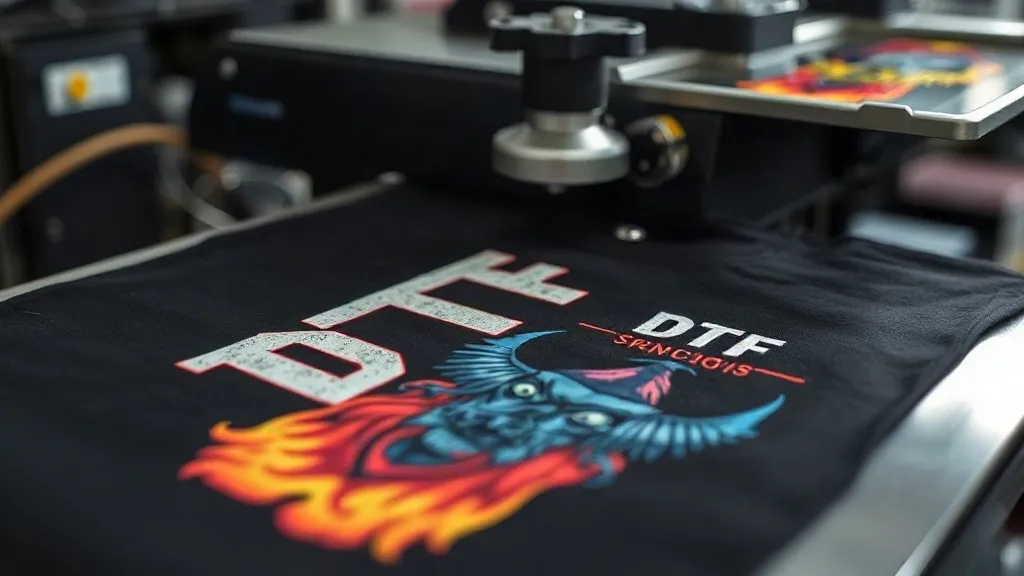
Custom apparel printing has evolved dramatically over the past decade, and one technology that's capturing attention is dtf transfers. If you've been in the t-shirt printing scene, you've likely heard the buzz about DTF (Direct to Film) printing. But what exactly is it, and why are so many printers and hobbyists making the switch? In this guide, we'll break down the DTF process, its advantages, and how you can get started with DTF transfers, including finding dtf transfers near me services.
What Are DTF Transfers?
DTF stands for Direct to Film. It's a printing method where your design is printed onto a special PET film, coated with a powder adhesive, and then heat-pressed onto fabric. Unlike DTG (Direct to Garment) or screen printing, dtf doesn't require pre-treatment of the fabric or specialized equipment beyond a printer and a heat press. The result is a vibrant, durable print that adheres to a wide range of materials, including cotton, polyester, blends, and even nylon.
The DTF Printing Process Step by Step
Here's a quick rundown of how DTF printing works:
- Design Preparation: Your artwork is prepared digitally, ensuring it's high resolution and mirrored if necessary.
- Printing: A DTF printer lays down CMYK inks and white ink onto a PET film. The white ink acts as a base for opacity on dark fabrics.
- Powder Application: While the ink is still wet, a hot-melt adhesive powder is applied to the film. Excess powder is shaken off.
- Curing: The film is heated to melt the powder, creating a transferable adhesive layer.
- Heat Pressing: The transfer is placed on the fabric and pressed with a heat press at a specific temperature and pressure. After cooling, the film is peeled away, leaving the design bonded to the fabric.
This process might sound involved, but once you have the equipment, it's quite efficient. Many small businesses and crafters outsource the printing to specialized DTF transfer providers, especially when starting out.
Why Choose DTF Transfers Over Other Methods?
DTF printing offers several compelling benefits that make it a favorite among printers:
- Versatility: Works on almost any fabric, including 100% cotton, polyester, blends, and even some synthetics. No need for different inks or setups.
- No Pre-Treatment: Unlike DTG, DTF doesn't require pre-treating the garment, saving time and avoiding chemical smells.
- Durability: When applied correctly, DTF transfers are highly wash-resistant and won't crack or fade easily. They stretch with the fabric, making them ideal for stretchy materials.
- Cost-Effective for Small Runs: No minimum order quantities, making it perfect for one-offs or small batches.
- Vibrant Colors: DTF can produce bright, detailed prints with a white underbase that makes colors pop on dark shirts.
- Soft Hand Feel: Advances in powder and film technology have reduced the plasticky feel, resulting in a softer print.
For these reasons, DTF has become a go-to for custom t-shirts, hoodies, tote bags, and more.
Finding Quality DTF Transfers Near You
If you're not ready to invest in a DTF printer, you can order pre-printed transfers from various suppliers. When searching for dtf transfers near me, consider the following tips to ensure you get high-quality products:
- Reputation: Look for suppliers with positive reviews and a track record in the printing community.
- Sample Packs: Order a sample pack to test the quality before committing to a large order.
- Turnaround Time: Check how quickly they can ship, especially if you have deadlines.
- Customer Service: A responsive team can help with any issues or questions.
- Material Quality: Inquire about the film and powder used. Premium materials ensure better durability and feel.
Local print shops or online stores like dtfprohub.com offer DTF transfer services. Online ordering is convenient and often more cost-effective, but if you prefer to see samples in person, a local supplier might be better.
DTF vs. Other Printing Methods: A Quick Comparison
Let's see how DTF stacks up against DTG, screen printing, and vinyl:
- DTF vs. DTG: DTG requires pre-treatment and is generally limited to cotton fabrics. DTF works on more materials and has no pre-treatment, but DTG can have a softer feel on 100% cotton.
- DTF vs. Screen Printing: Screen printing is cost-effective for large orders but has setup costs and is not ideal for complex designs with many colors. DTF excels at detailed, multi-color designs without extra cost.
- DTF vs. Vinyl: Heat transfer vinyl (HTV) is great for simple one-color designs but is labor-intensive for multi-color and intricate designs. DTF handles complex artwork easily.
Each method has its place, but DTF's versatility makes it a strong contender for many projects.
Tips for Successful DTF Application
To get the best results with DTF transfers, follow these best practices:
- Use a Quality Heat Press: Consistent temperature and pressure are crucial. A clamshell or swing-away press works well.
- Pre-Press the Fabric: Remove moisture from the garment before pressing to ensure proper adhesion.
- Follow Temperature Guidelines: Typically, 300-320°F (150-160°C) for 10-15 seconds. Always check the transfer supplier's recommendations.
- Peel Cool: Most DTF transfers require cooling completely before peeling the film for best results.
- Wash Inside Out: To prolong the life of the print, wash garments inside out in cold water and avoid harsh chemicals.
With a bit of practice, you'll achieve professional-looking results every time.
Frequently Asked Questions About DTF Transfers
How durable are DTF transfers?
When applied correctly, DTF transfers can withstand numerous washes without cracking or fading. They are known for their durability, often lasting as long as the garment itself.
Can I use DTF transfers on dark shirts?
Absolutely. DTF transfers include a white ink layer that provides a bright, opaque base, making colors pop on dark fabrics.
What fabrics work best with DTF?
DTF works on a wide range of fabrics, including cotton, polyester, blends, and even some synthetics like nylon. It's not recommended for fabrics with special coatings or waterproof finishes.
Do I need special equipment to apply DTF transfers?
You'll need a heat press to apply DTF transfers. A standard heat press capable of reaching 320°F (160°C) and applying consistent pressure will work.
Where can I find DTF transfers near me?
You can search online for local suppliers or order from online stores like dtfprohub.com. Many companies offer nationwide shipping, so you can access quality DTF transfers regardless of your location.
DTF printing is a game-changer for custom apparel, offering flexibility, durability, and vibrant results. Whether you're a hobbyist or a business owner, understanding DTF transfers can open up new possibilities for your creative projects. So why not give it a try? With the right supplies and a bit of practice, you'll be producing stunning prints in no time.