
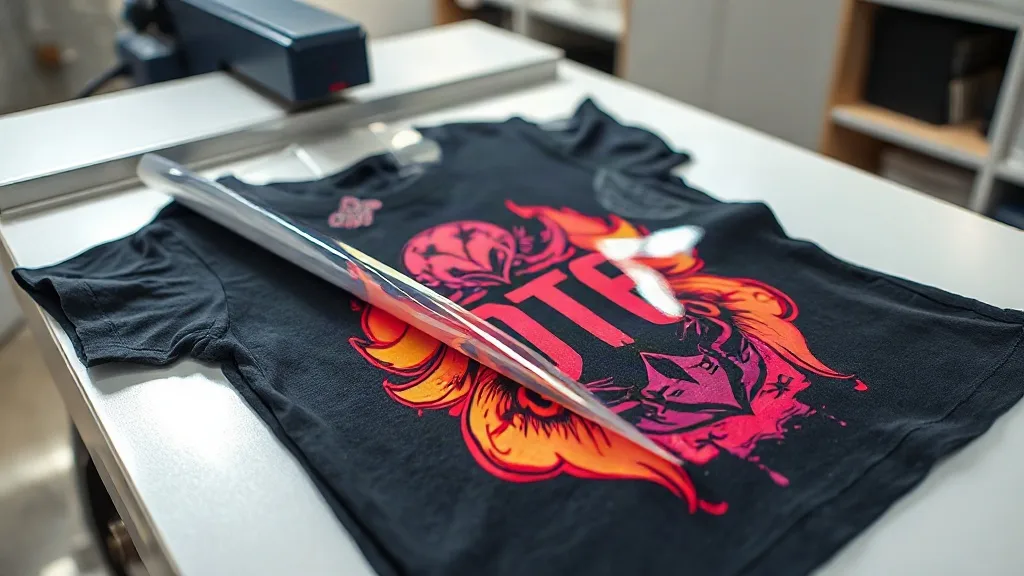
When you first hear about dtf transfers, you might wonder if they're just another passing trend in the garment decoration world. But spend a day in a busy print shop, and you'll see DTF (Direct-to-Film) transfers quietly revolutionizing how custom apparel gets made. Unlike traditional methods that require expensive equipment or time-consuming setup, DTF offers a straightforward path from digital design to vibrant, durable prints on almost any fabric. Whether you're a small business owner looking to expand your product line or a hobbyist wanting to create professional-looking merchandise, understanding DTF transfers is your ticket to faster turnarounds and happier customers.
What Exactly Are DTF Transfers?
DTF transfers are printed designs on a special film that you apply to fabric using a heat press. The process starts with a digital printer that lays down CMYK inks onto a PET film, followed by a layer of hot-melt adhesive powder. Once the powder is cured, the film is ready to be pressed onto a garment. The heat and pressure activate the adhesive, bonding the ink to the fabric. The result is a soft, stretchable print that holds up wash after wash. Because the design sits on top of the fabric rather than being dyed into it, DTF works brilliantly on cotton, polyester, blends, and even tough materials like canvas and nylon. That versatility is why dtf has become a go-to solution for everything from t-shirts and hoodies to tote bags and caps.
Why DTF Transfers Stand Out from Other Printing Methods
If you've explored screen printing or vinyl cutting, you know the limitations: screen printing requires separate screens for each color (costly for small runs), and vinyl is limited to simple shapes and solid colors. DTF breaks those barriers. Here's how it compares:
- No minimum order quantity: Print one shirt or one hundred with the same ease and cost-effectiveness.
- Full-color complexity: Photographic images, gradients, and fine details reproduce beautifully without extra charges.
- Fabric freedom: Works on cotton, polyester, blends, and even pre-treated nylon, unlike DTG which struggles on synthetics.
- Durability: Properly applied DTF prints resist cracking, fading, and peeling for years.
- Speed: From design to finished product in minutes, not days.
These advantages make DTF transfers a smart choice for on-demand printing, personalized gifts, and small-batch production. And if you're searching for dtf transfers near me, you'll find plenty of suppliers and service providers who can deliver high-quality films right to your door.
The DTF Printing Process: Step by Step
Understanding the workflow helps you troubleshoot issues and produce consistent results. Here's what happens from start to finish:
- Design preparation: Create your artwork in a vector or high-resolution raster format. Remember to mirror the image horizontally before printing, as the film will be flipped when pressed.
- Printing: A DTF printer lays down white ink as a base (for opacity on dark fabrics) followed by CMYK color inks. The white layer is crucial for vibrant colors on dark garments.
- Powder application: While the ink is still wet, the film passes through a powder shaker that coats it with hot-melt adhesive powder. Excess powder is removed.
- Curing: The film goes through a curing oven or under a heat gun to melt the powder, creating a dry, tacky surface.
- Pressing: The cured film is placed on the garment and pressed with a heat press at around 320°F (160°C) for 10-15 seconds. After cooling, the film is peeled away, leaving the design bonded to the fabric.
Each step requires attention to detail. For instance, insufficient powder or under-curing can lead to wash-off, while too much pressure during pressing can cause the design to spread. With practice, you'll develop a feel for the right settings.
Choosing the Right DTF Supplies
Not all DTF films and powders are created equal. The quality of your supplies directly impacts the final print's durability and appearance. Here's what to look for:
DTF Film
Opt for a film that balances thickness and flexibility. Thinner films tend to produce softer prints, but they can be trickier to handle. Look for films with a consistent coating that prevents ink from bleeding. Matte films are common, but some printers prefer glossy for sharper details.
DTF Ink
Use pigment-based inks specifically formulated for DTF. These inks are designed to work with the adhesive powder and produce vivid colors. Off-brand inks might clog your printhead or yield dull results.
Adhesive Powder
The powder's particle size affects the feel of the print. Finer powders create a softer hand, while coarser powders may be more durable but stiffer. Choose a powder that melts evenly and leaves minimal residue.
Heat Press
A reliable heat press with uniform pressure and accurate temperature control is essential. Clamshell presses are common, but swing-away presses offer more even pressure distribution. Don't skimp on this piece of equipment; it's the heart of your DTF operation.
Common DTF Problems and How to Fix Them
Even experienced printers encounter issues. Here are a few frequent problems and their solutions:
- Design peeling after washing: This usually indicates under-curing of the powder or insufficient pressure during pressing. Increase curing time or pressure and ensure the garment is properly pre-pressed to remove moisture.
- Faded colors: Could be due to expired ink, incorrect color profiles, or printing on the wrong side of the film. Always check your ink levels and use the correct ICC profile for your printer.
- Sticky residue on the film: If the film feels tacky after curing, it's likely over-powdered. Shake off excess powder more thoroughly before curing.
- Design cracking: Often caused by stretching the garment too much after pressing or using too high a temperature that makes the ink brittle. Allow the print to cool completely before stretching.
Keeping a log of your settings and making one change at a time will help you isolate and fix issues quickly.
Applications of DTF Transfers
DTF's versatility opens up a world of possibilities. Beyond the obvious t-shirts and hoodies, consider these applications:
- Sportswear: The stretchability of DTF prints makes them ideal for jerseys and leggings.
- Corporate apparel: Add logos to polo shirts and jackets with ease.
- Accessories: Personalize tote bags, backpacks, and hats.
- Home decor: Create custom pillow covers, aprons, and even canvas prints.
Because DTF adheres to a wide range of materials, you're not limited to fabrics. Some printers even use DTF on leather and wood, though testing is recommended.
DTF vs. Other Printing Methods: A Quick Comparison
To help you decide if DTF is right for your needs, here's a side-by-side look at how it stacks up against screen printing and DTG:
- Setup cost: DTF has a low setup cost (no screens or platens), while screen printing requires emulsion and screens per color.
- Per-unit cost: For small runs, DTF is cheaper; for large runs, screen printing may win on price.
- Color vibrancy: DTF excels on dark fabrics thanks to the white ink base; DTG often requires pre-treatment and can look washed out on darks.
- Fabric compatibility: DTF works on almost any fabric, while DTG is best for 100% cotton.
- Durability: Both DTF and screen printing are durable, but DTF can stretch without cracking, which is great for activewear.
Ultimately, the best method depends on your specific projects, volume, and budget. Many shops keep DTF as a flexible option alongside other techniques.
Getting Started with DTF Transfers
Ready to dive in? Here's a practical roadmap:
- Educate yourself: Watch tutorials, join online forums, and practice with small test prints.
- Choose your equipment: Decide between a dedicated DTF printer or outsourcing to a service. If you're just starting, outsourcing can be cost-effective.
- Source quality supplies: Establish relationships with reputable suppliers who offer consistent films and powders.
- Master the press: Practice on scrap fabric to dial in temperature, pressure, and timing.
- Market your services: Highlight the advantages of DTF, such as no minimums and vibrant colors, to attract customers.
Remember that consistency is key. Keep detailed records of what works and refine your process over time.
Frequently Asked Questions About DTF Transfers
How long do DTF transfers last?
With proper application and care, DTF prints can last 50+ washes without significant fading or peeling. Always wash garments inside out in cold water and avoid harsh detergents.
Can I use DTF transfers on dark shirts?
Absolutely. DTF uses a white ink base that makes colors pop on dark fabrics. Just ensure your printer is set to print the white layer.
What fabrics work best with DTF?
DTF adheres well to cotton, polyester, blends, canvas, and many synthetics. It's not recommended for fabrics with heavy coatings or water-repellent finishes.
Do I need a special printer for DTF?
Yes, you need a DTF printer that supports white ink and has a powder shaker unit. However, you can also buy pre-printed transfers from suppliers if you don't want to invest in equipment.
How do I find DTF transfers near me?
Search online for local print shops or suppliers that offer DTF transfer services. Many online retailers also ship nationwide, so you're not limited to your immediate area.
DTF transfers have democratized custom apparel printing, making it accessible to businesses of all sizes. With the right knowledge and tools, you can produce stunning, durable prints that keep customers coming back. So why wait? Explore the world of DTF transfers today and watch your creative projects come to life.